Whitehorse's older residents encounter challenges associated with the older demographic and the territory's distance from accessible medical care, remote location, and weather. Medical alert systems are an important and simple solution to mitigate these concerns by providing continuous access to emergency services. This is particularly relevant for older adults living alone as these systems decrease time to respond in cases of emergency, for example, falling, sudden illness, or mobility incident.
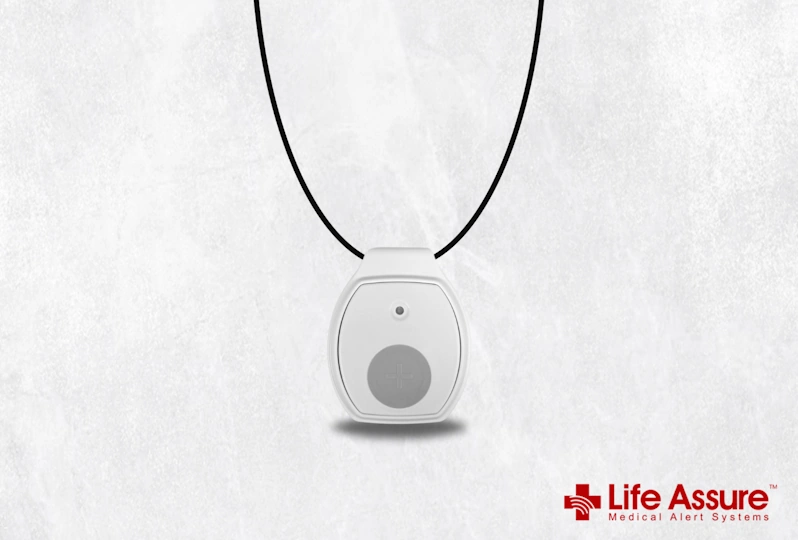
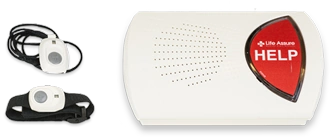
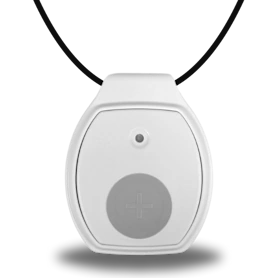
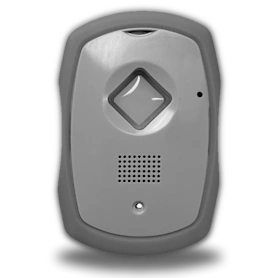
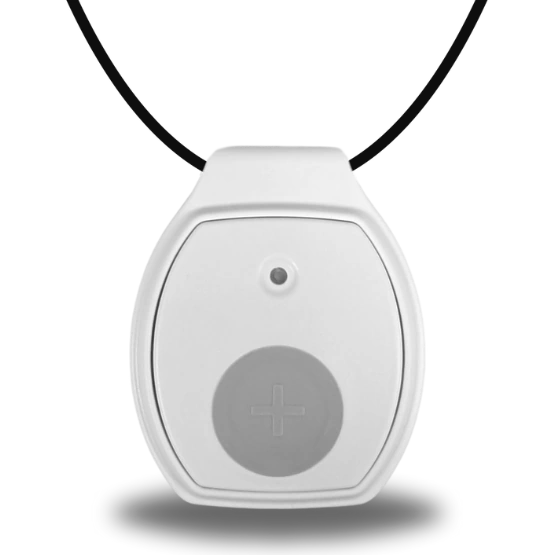
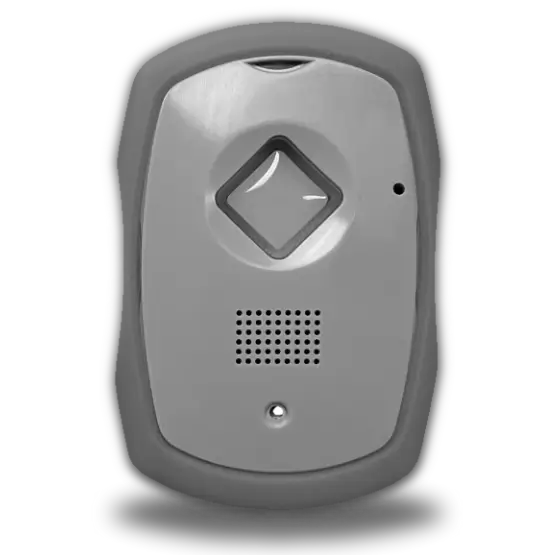
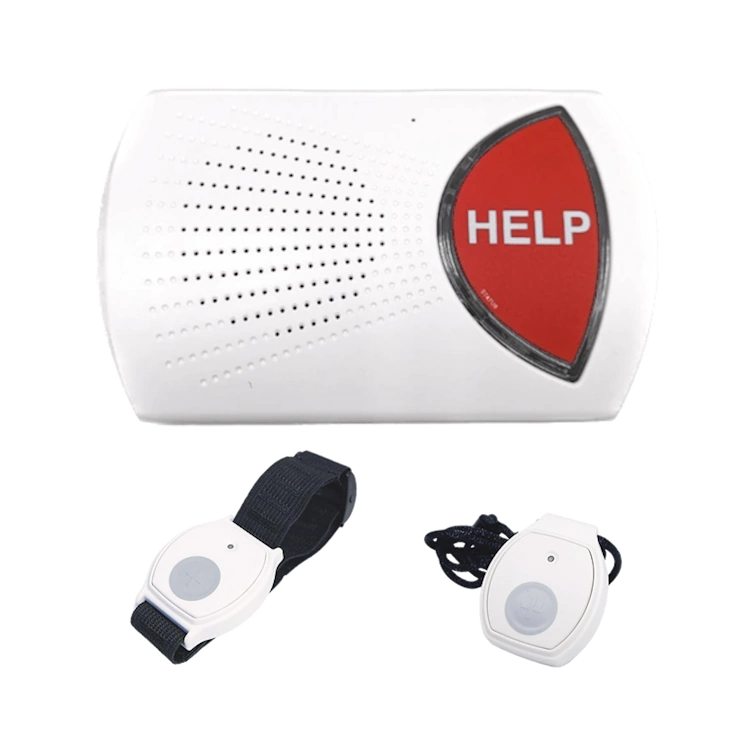
Typically designed with usability in mind, these safety devices can be worn as pendants or bracelets. Most models utilize a single button to connect users immediately with a monitoring center to dispatch emergency services as needed. This service, similar to Whitehorse, is available to urban and rural users across Yukon and particularly provides support to individuals who may experience delays in getting to a healthcare provider.
Features such as automatic fall detection, long-range coverage, and battery backup provide security for seniors even during a power outage or if they are otherwise unable to speak. Such systems promote more confidence and reassurance for the user so that they can continue their daily routines, all while knowing emergency help is available.
Seniors living alone in places like Teslin or Carmacks often experience longer wait times for in-person help during emergencies. Medical alert systems provide a bridge to immediate assistance, especially in cases like overnight falls or chest pain, when driving to the nearest health center is not a viable option. Families in southern regions of Whitehorse have reported that access to these systems has reduced the number of unnecessary hospital trips by catching issues early and providing direct contact with trained responders.
Peace Of Mind Anywhere You Go In Whitehorse
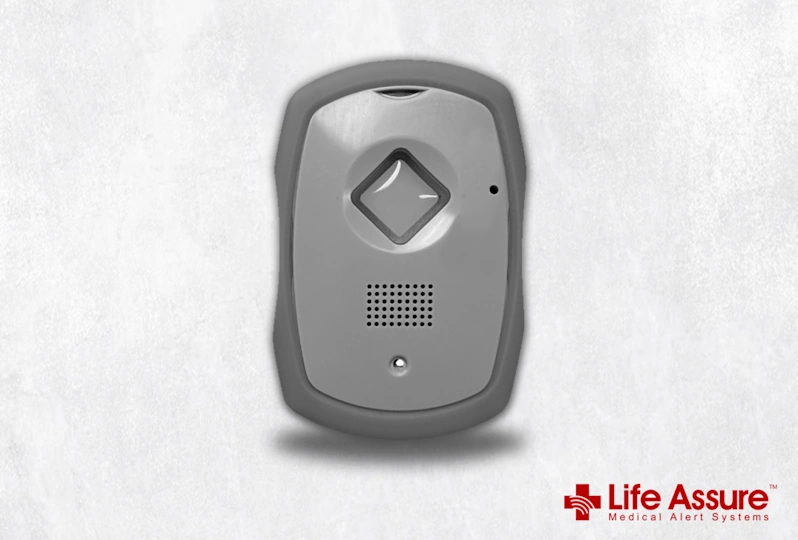
The medical alert devices available in Whitehorse are meant for sedentary and mobile lifestyles. In-home systems are limited by a radius from the base unit, while mobile units use their cellular and GPS technology to create a sense of protection outside the home. The function is most pertinent in Whitehorse, where a person could leave their house for grocery shopping, a medical appointment, or socializing. The individual user keeps connected during community events at the Kwanlin Dün Cultural Centre, shopping on Main Street, or hiking the trails bordering Chadburn Lake Park.
For example, a GPS-enabled system will allow for location tracking in the event of emergencies that occur outside of the home, which will help emergency responders locate the user more quickly. Utilizing this ability is especially helpful in a location where street addressing is inconsistent or where travel requires longer road travel. Those who reside in Whitehorse and enjoy regular outdoor activities, including walking, community attendance, or out-of-town travel, will greatly benefit from these systems, as long as they are mobile-compatible.

Each Life Assure device includes two-way voice communication, enabling users to speak directly to emergency operators. The operators quickly assess the situation and dispatch the necessary help, whether that’s paramedics, family, or local services. ULC-certified monitoring centres operate 24/7, ensuring Whitehorse residents are never left without support.
Seniors who live in Whitehorse and nearby communities tend to use buses (or walk) to go longer distances because of the limited transit routes. For example, a senior has to walk to the grocery store in -20 degree weather and slips on some ice while walking along the sidewalk. With a mobile GPS alert system, they can ask for help immediately without having to get to a phone. Emergency responders can also use the GPS to find them quickly if they are laying on the sidewalk and unable to get up.




 Fall Detection Capability













 Get Help With The Push Of A Button