



Old Age Home Design & Safety Features Every Facility Must Have
Good design turns an old-age home into calm, safe, welcoming daily living. You see it in wide halls, bright lights, and steady handrails everywhere today. In Canada, icy winters make slip-proof floors and entry mats truly vital.
You can plan for walkers and wheelchairs with gentle ramps and roomy doors always. You add clear signs, strong contrast, and quiet corners for comfort, too.
You need to choose warm, non-glare lighting that helps tired eyes focus fast. You build safe bathrooms with grab bars, seats, and easy faucets. You protect everyone with alarms, sprinkler systems, and simple exit routes daily.
Ideal Design of an Old Age Home for the Convenience of the Elderly
An old age home should feel simple, steady, and easy to move through. In Canada, cold weather changes design choices in a big way. Good design reduces falls, stress, and long waits for help. It also helps staff work faster, without rushing people.
Accessibility-First Structure & Layout
Start with a true barrier-free plan from the front door. Build wide halls that pass two wheelchairs without squeezing. Keep doorways wide, and use lever handles, not knobs. Add ramps with gentle slopes, plus strong rails on both sides.
Elevators should be big, quiet, and close to main living areas. Floors must stay flat, with no sneaky lips at thresholds. Make turning space in rooms, bathrooms, and shared corners. Place seating spots along long halls for quick rests.
Put key services near bedrooms to cut long walks. Keep laundry, storage, and waste rooms out of resident traffic. Use clear zoning, so noisy spaces stay away from sleep areas. Create simple loops, so people never hit dead ends.
Robust Safety, Security & Emergency Preparedness
Safety starts before the first step inside the building. Use a covered drop-off with bright lights and clear curb edges. Add a heated vestibule to stop ice from melting indoors. Floors should be slip-resistant, even when boots bring in snow.
Choose matte surfaces, since glare can trick tired eyes. Put continuous handrails in halls, not short “helper” pieces. Add wall guards to prevent sharp corners from catching hips. Install strong contrast at floor edges, stairs, and doorway frames.
Keep stair treads deep, and add non-slip nosing on each step. Use doors that open smoothly, without a heavy push force. Fit bathrooms with grab bars beside toilets and showers. Add fold-down shower seats, plus handheld sprayers with easy controls.
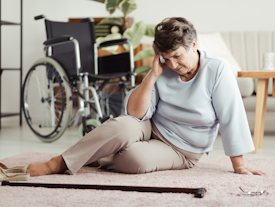
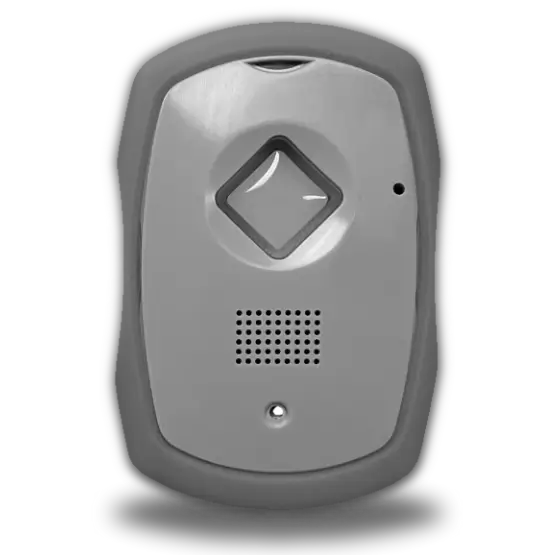
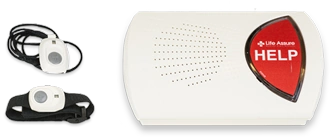
Use anti-scald valves, so hot water never burns fragile skin. Place emergency pull cords near toilets, beds, and showers too. Put call buttons at seated height and near the floor. Falls happen fast, so the response must be faster.
Fire safety needs layers, not a single fix. Install full sprinkler coverage, plus smoke and heat detectors throughout. Use fire-rated doors that close on their own, quietly. Mark exits with big signs and backup-lit arrows.
Add refuge areas near stairs for wheelchair users during evacuations. Keep corridors free from carts, boxes, and extra furniture. Store oxygen safely, away from heat sources and clutter. Maintain clear access to fire extinguishers, with simple pictograms.
Plan fences and gates for outdoor courtyards, with safe latches. For memory care, add discreet wander protection at exits. Door alarms should be soft, not jarring or shaming. Use colour cues and landmarks to reduce exit-seeking.
Comfortable, Health-Supportive Well-being
Comfort is more than soft chairs and warm paint colours. Bedrooms should allow daylight, but also block it for sleep. Use blackout blinds, plus gentle night lighting for bathroom trips. Keep room temperatures steady, since seniors feel cold faster.
Add sound control with acoustic panels and soft-close doors. Quiet reduces confusion, headaches, and late-night agitation. Bathrooms should feel private, but still allow safe staff support. Provide sturdy seating in shower areas, and space for mobility aids.
Offer hydration stations in common areas, not hidden in kitchens. Dining spaces should support slower eating without pressure. Use non-slip plates, easy-grip cups, and stable tables. Include a small clinic room for checks, wound care, and vaccines.
Add spaces for physiotherapy, stretching, and simple movement classes. Outdoor access helps mood, even in cooler seasons. Provide windbreaks, benches, and sun-shade for summer heat days.
Engaging, Community-Building Amenities, Social Life & Recreation
People don’t thrive on safety alone. Build spaces that invite small talk without forcing it. Create a bright lounge with views of trees or the street. Add a café nook for tea, cookies, and friendly drop-ins. Include a library corner with large-print books and comfy lamps.
Provide craft tables with easy-clean surfaces and good task lights. Add a music room, since songs unlock memories fast. Plan a multipurpose hall for bingo, movies, and holiday dinners. Make visiting easy with family rooms and private nooks.
Add kid-friendly corners, so grandkids feel welcome and relaxed. Outdoor courtyards should have level paths and raised garden beds. Raised beds let hands work without bending or wobbling. Use covered walkways, so rain and snow don’t cancel outings.
Offer safe recreation like shuffleboard, gentle bowling, and chair yoga. Put a salon space on-site for haircuts and grooming days. A small chapel or quiet room supports faith and reflection. These details keep life feeling normal, not “managed.”
Efficient, Tech-Enabled Operations, and Staff Workflow
A good building helps staff care better, without extra running. Place nurse stations with clear sightlines, yet keep them not too loud. Create short travel routes between rooms, dining, and supply areas. Add clean and soiled utility rooms on each resident wing.
Put medication rooms near care zones, with secure access controls. Use simple digital charts, so notes don’t get lost. Add real-time location tags for key equipment, like lifts. Staff waste time hunting gear, and residents feel that delay.
Use smart call systems that show location and urgency. Add quiet alerts on staff devices, instead of loud hallway noise. Use automated lighting in night corridors to reduce falls. Add door sensors in memory care to spot unsafe wandering.
Track indoor air quality, since stale air can worsen coughs. Use scheduling tools that match staffing to peak care times. Keep staff break rooms close, so breaks actually happen. Happy staff stay longer, and care feels steadier. In addition, good workflow reduces mistakes during busy shift changes.
Conclusion
Good design makes an old-age home feel safe, warm, and steady for everyone. You reduce falls with grip floors, rails, and bright, calm lighting. You plan wide halls, easy doors, and bathrooms built for support.
In Canada, winter entries need mats, cover, and space for mobility. You add alarms, clear exits, and fast help buttons near beds, always. When these features work together, daily life stays dignified and relaxed.
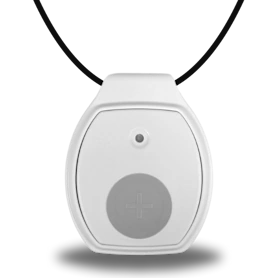
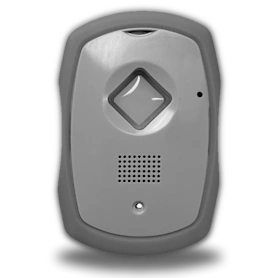
 Get Help With The Push Of A Button