



How Technology Is Transforming Care for the Aging Population
You see care for older Canadians changing, one helpful device at a time. A wrist alert can call 911 fast during icy sidewalk falls in Manitoba. Video visits let you reach a family doctor from a kitchen table.
Smart pill boxes remind you to take heart meds after breakfast each day. Home sensors notice missed meals, then ping you or a caregiver. In rural Nova Scotia, apps link you to nurses and community rides.
Your pharmacy texts refill dates, and delivery saves winter travel across town for you. With privacy rules and good training, you get safer, kinder aging support.
Impact of Technology in Transforming Care for the Aging Population
Here are some everyday, practical ways in which technology is changing care for the aging population across Canada.
Virtual care visits for rural and remote seniors
A long drive can feel huge when joints ache or snow blows hard. Virtual visits cut that trip down to a short check-in. You sit at home, hold your phone steady, and talk face to face. A nurse can watch how you breathe and how you move. A doctor can see swelling, a rash, or a healing cut.
Virtual care helps you keep the spot you already have. It also lets family members join from another city. That extra set of ears can help.
On the other hand, video calls need decent internet. Some homes still have weak service or spotty data. In addition, hearing loss can make calls frustrating. Simple fixes help a lot, like captions and big buttons.
Remote monitoring for chronic conditions at home
Chronic illness can be quiet, then suddenly loud and scary. Remote monitoring helps spot trouble earlier, before things spiral. A small cuff can check blood pressure in one minute.
A glucose sensor can track sugar without constant finger pricks. A scale can flag fast weight gain from fluid buildup. These numbers can be shared with your care team safely.
Remote monitoring works best with a simple routine. At the same time every morning, before coffee, it works for many people. A reminder on the fridge can help, kind of old-school.
Also, caregivers can check trends without hovering every hour. However, too many alerts can stress you out. Good systems keep alerts clear, not noisy and constant.
Fall detection and emergency alerts for safer aging in place
Falls are common, and winter makes them more likely in Canada. Ice on steps, dark sidewalks, and heavy boots all add risk. Fall detection tools can help when you cannot reach a phone. Some devices sense a hard drop and call for help. Others let you press a button when you feel dizzy.
This is not only for the outdoors. Many falls happen in the bathroom or bedroom. A simple alert can cut the time on the floor. That time matters for pain, warmth, and fear. Also, quick help can reduce long hospital stays later.
On the other hand, false alarms can be annoying. A hard sit on the couch can trigger an alert sometimes. Better settings and good placement reduce those problems.
Medication reminders and smart dispensing support
Pills can pile up fast when you have several conditions. Morning, noon, supper, bedtime, plus “as needed,” can get messy. Reminder tools help you take the right pill at the right time.
Some use alarms with a bright light and a loud sound. Others show a photo of the pill and the dose. Some dispensers unlock only one slot at a time.
This supports safe care at home, especially after discharge. After a hospital stay, meds often change, and mistakes happen. A dispenser can prevent double doses and missed doses. It also helps when vision is poor. Large labels and simple screens make a real difference.
Also, pharmacy pickup can be hard in the deep winter. Refill reminders can stop last-minute rushes and stress. In addition, family caregivers can get a note when doses are missed.
However, privacy and dignity still matter. It should feel like support, not spying. A gentle tone and clear consent keep trust strong.
Digital social connection to reduce loneliness and isolation
Loneliness can hurt the body as well as the mind. It can worsen sleep, appetite, and even pain levels. Digital tools help you stay connected on slow days.
A video chat can bring grandkids into your living room. A photo message can brighten a long afternoon. A group call can recreate a coffee circle, just at home.
This is helpful when mobility is limited. You can still see faces and share small stories. In addition, online classes can keep the brain active. Gentle exercise videos can support balance and strength. A singalong can lift mood, even when energy is low.
On the other hand, scams and fake messages are real. Some seniors get targeted with scary or sweet-sounding tricks. Simple safety steps help a lot, like strong passwords and clear rules.
Never share banking codes in a message, ever. Also, a trusted helper can set up contacts and block strangers. That small setup can prevent big harm.
Long-term care communication tools for families and care teams
Long-term care can feel confusing from the outside. Families want updates, but staff are busy and stretched thin. Communication tools can bridge that gap in a respectful way.
Care notes can be shared so everyone stays on the same page. Meal intake, mood changes, and sleep patterns can be tracked. A family member can see patterns without calling five times.
This can reduce stress on both sides, honestly. It also helps during outbreaks or visitor limits. Families can still feel close and informed. In addition, care teams can document pain cues and triggers. That helps personalize care for dementia and memory loss. Small details matter, like music preferences or calming routines.
Smart mobility aids and obstacle-detection wheelchairs
Mobility tools are getting smarter and more supportive. Walkers can have better brakes and steadier frames. Some can track steps and alert you to changes.
Wheelchairs can be designed to avoid bumps and tight turns. Obstacle sensors can warn you before a curb or a doorway edge. That can prevent spills and bruises.
This matters in Canadian homes with small hallways and winter gear. Smart aids can help you move safely through those spaces. In addition, better seating reduces pressure sores and back pain. Adjustments can also be made with simple controls easily; you do not require heavy levers.
Conclusion
Technology is making aging care in Canada feel safer and steadier. You can talk to care teams without long winter drives. You can spot health changes early with simple home devices.
You can get help fast after a fall, even alone. You can take pills on time with clear, gentle reminders. You can stay close to family through easy video chats. You still need privacy, trust, and support to use tools well.
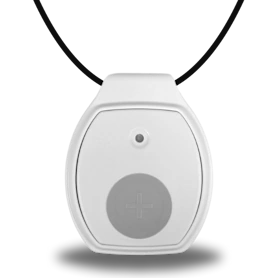
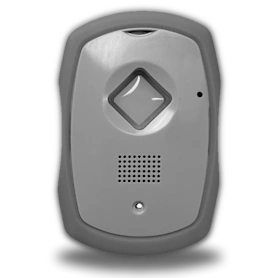
 Get Help With The Push Of A Button