


Senior Health: Complete Guide to Staying Healthy After 60
Turning 60 can feel strange at first. Your body talks louder now. Knees complain on stairs, sleep gets lighter, and balance may wobble on icy sidewalks. Still, this stage can be strong, active, and deeply joyful. Good habits matter more than luck.
Small choices, done daily, shape energy, mood, memory, and freedom. In Canada, where winters are long and routines shift with the seasons, simple health habits help even more.
This guide breaks down what truly supports senior health after 60, without fluff or fear. Just practical steps that fit real life, real homes, and real mornings for many today.

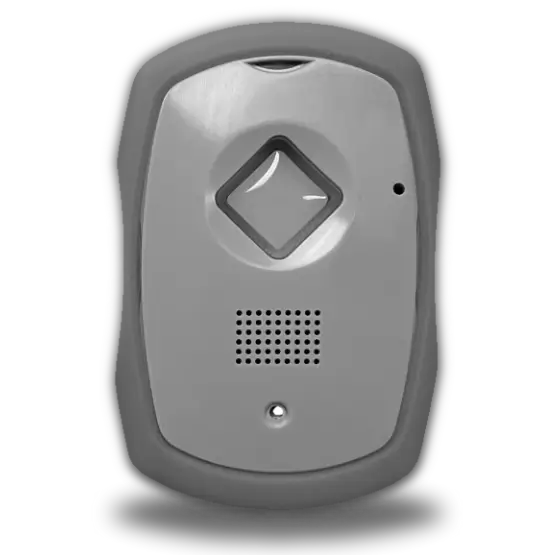
Life Assure Product Quiz
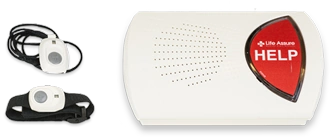
Take our 30 second quiz and discover which Life Assure medical alert device is the right fit for you or a loved ones.
Life Assure Product Quiz
Take our 30 second quiz and discover which Life Assure medical alert device is the right fit for you or a loved ones.
8 Healthy habits every senior must follow after 60 years
These eight habits work together, and each one protects strength, balance, mood, and independence.
Follow nutritious diet
Food after 60 is not about eating less and working on small numbers. Eating Smart is about keeping your muscles, bones, brain, and energy level steady. Begin with protein each meal. In the morning, eggs, and at lunch, fish, beans, lentils, chicken or tofu at supper can help.
In addition, make meals based on actual food such as oats, berries, soup, salmon, brown bread, cooked vegetables and nuts. Besides, consume a lot of vitamin D sources and calcium-rich foods frequently, particularly throughout the darker seasons in Canada.
Optimize Hydration Levels
Thirst is no longer as obvious to so many older adults. It is here that trouble begins. Mild dehydration may manifest itself as fatigue, dry mouth, dizziness, headaches or just being plain old cranky. Have water all day, not only at meals.
Also, include fluids such as milk, herbal tea, broth, and watery foods such as oranges, cucumbers and soup. During winter, heat in the house washes you up.
During summer, it is the same with long walks and gardening. The easiest habit is the one that is followed: take a drink when you get up, with every meal, and after using the bathroom. When urine remains very dark, it is likely that the body is in need of additional water.
Undergo balance and gait training for fall prevention
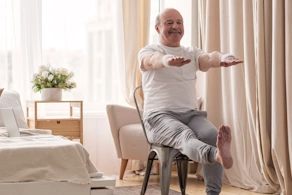
Falls can change life in one rough second. A hip injury, a broken wrist, or even fear of falling can shrink a person’s world. This is why balance practice matters before problems begin. Start small and stay safe.
Hold the kitchen counter and stand on one foot for a few seconds. Then switch sides. Walk heel-to-toe down a hallway, rise from a chair without pushing off with your hands, and check your gait.
Are steps short, shuffling, or uneven? Good shoes matter too, especially on wet leaves, snow, and slushy sidewalks. On the other hand, balance is not built in one session. It grows from little daily reps.
Practice strength and power training to stay independent
Strength makes you live your own way. Power assists you to move swiftly enough to keep you, climb stairs, or heave a bag before it falls. Both matter after 60. You do not require an gym or huge dumbbells.
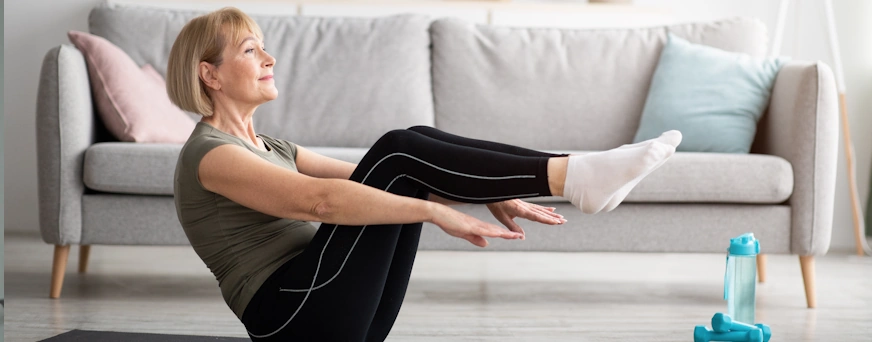
Squats on a chair, push-ups against the wall, climbing up the stairs, using resistance bands, and light weights are all good. The trick is to do them frequently and to make them a bit challenging.
As an example, sit and stand up ten times without haste. Hold groceries in your hands to develop grip and posture. Walk most days, as well. A brisk walk is good to maintain the legs, heart and mood simultaneously.
Prioritize sleep quality
Sleep is more demanding as one gets older. You might sleep early and get up at 3 a.m. and look at the roof. Sleep improves memory function, boosts immune response, enhances mood, controls blood pressure and assists with pain treatment.
To start, you must establish a regular sleeping pattern which you should follow throughout the week including weekends.
You should avoid consuming large meals after sunset. The consumption of evening beverages will cause you to fall asleep, which will lead to interrupted sleep patterns.
You should create a bedroom environment that maintains cool temperatures, complete darkness, and absolute silence. Excessive napping during the day leads to problems with sleeping at night.
Keep your brain sharp with cognitive and social habits
A healthy brain likes challenge, rhythm, and company. So read often, write things down, learn new names, try a card game, or take a class at the local library or community centre. The goal is not to become a genius at 68. The goal is to keep the mind awake.
Also, stay social on purpose. Have tea with a neighbour, join a walking group, call your sister, and volunteer once a week.
Real conversation makes the brain work hard in a good way. It asks you to listen, remember, react, and care. However, too much time alone can quietly dull mood and thinking.
Avoid smoking and limit alcohol
Smoking harms blood flow, lungs, heart health, and bone healing. It also speeds up skin aging and raises the risk of many cancers. Alcohol can be tricky too. The body processes it differently with age, and medication interactions become more common.
What felt harmless at 40 may hit much harder now. In addition, alcohol can worsen sleep, balance, blood pressure, and memory lapses.
If drinking is part of social life, keep it modest and not nightly. Have water beside it and food with it. And if smoking is still in the picture, getting help now still matters.
Support bone and joint health
Bones and joints carry every plan you make, from grocery runs to grandkid visits. After 60, they need real care. Weight-bearing movement helps keep bones stronger, so walking, climbing stairs, light resistance work, and gentle dancing all count.
Joints love movement too, even sore ones. Long sitting tends to stiffen everything. Also, make home life easier on the body.
Calcium-containing foods, protein-rich foods, and vitamin D foods help build bones, while a healthy body weight reduces pressure on joints. You should not disregard your continuous pain. Swelling, weakness, or sudden stiffness deserve proper attention.

Conclusion
After 60, good habits can keep your days steady, bright, and easier to enjoy. You do not need perfection; you need simple choices that fit Canadian seasons and routines. Daily walks, warm meals, better sleep, and checkups all support senior health every day.
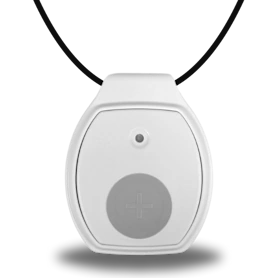
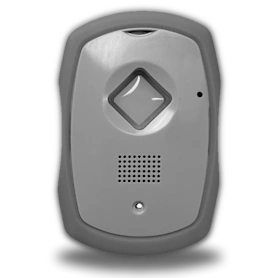
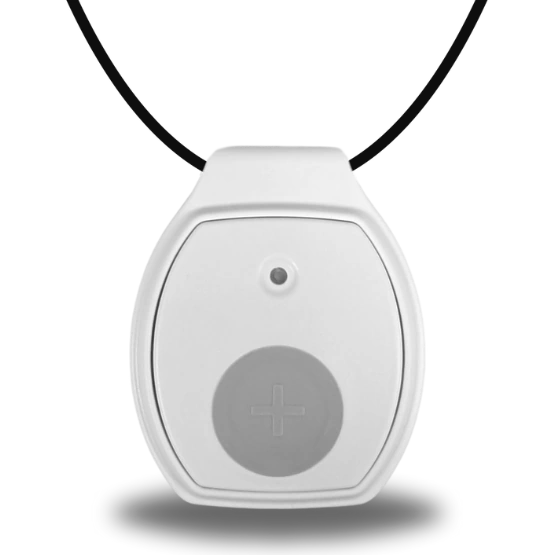
 Get Help With The Push Of A Button