




Downsizing Support Checklist: A Step-by-Step Guide for Moving to a Smaller Home
Downsizing in Canada can feel like packing a whole life into less space. You sort through dishes, photos, coats, and furniture with real care. Some pieces are costly, and some carry family stories you still treasure. A smaller home means every shelf, closet, and corner needs a purpose.
You may move to save money, live simply, or stay near family. You may want condo ease, less upkeep, and calmer daily routines. The best start is knowing what fits your new Canadian space. This guide covers decluttering, smart choices, and simple planning before moving day.

Life Assure Product Quiz
Take our 30 second quiz and discover which Life Assure medical alert device is the right fit for you or a loved ones.


Life Assure Product Quiz
Take our 30 second quiz and discover which Life Assure medical alert device is the right fit for you or a loved ones.

Step-by-Step Downsizing Plan for Moving to a Small Home
A smaller house is excellent because it is the one that makes each object deserve its space. A proper strategy, sincere decisions, and consistent actions are the initial steps to a good downsizing support that can keep your move out of a bag of tense boxes.
Step 1: Understand Your New Space and Limitations Before Packing
You have to study the new location before you tape a single box. See the floor plan, measure the rooms, check the closet space, and observe the clumsy corners, small halls, low ceiling and small doorways. This aspect is even more important than it sounds.
A sofa can fit on paper, but it can still obstruct the route from the kitchen to the living room. The flow of a smaller Canadian condo or townhouse is as significant as the square footage. Another thing to take note of is storage.
Fewer cabinets, one tiny front closet, or no basement can change every packing decision. Once you know the limits, you stop moving blind and start choosing with purpose.
Step 2: Declutter By Category, Not Room
This step saves time because it shows the real amount of stuff you own. Instead of tackling one room at a time, gather all like items together. Pull every coat into one spot. Stack all mugs together.
Put every sheet set, every extension cord, every book, and every spare lamp where you can actually see them. Well, that is when the truth hits. Five black jackets feel different when they hang side by side.
Decluttering by category also makes decisions less emotional. You are comparing similar things, not wandering room to room in circles. Keep what fits your new life and new space. The rest needs a different destination.
Step 3: Sell, Donate, or Recycle Unwanted Items
Once you know what is not coming with you, move it out fast. Something lying around the house is likely to creep back into moving boxes and that nullifies the purpose. Sell items that have real value, or solid furniture, functional machines or nice decoration that can be used elsewhere in the house.
Give the household items that are in good condition, additional linens, dishes, coats and small tables which can assist another person. Recycle papers, electronics and broken products using proper programmes in the area rather than putting them in random garbage bags.
In many Canadian moves, this step cuts both clutter and moving cost. Also, it makes the home feel lighter right away, which helps you keep going.
Step 4: Digitize to Declutter Smartly
Paper takes up more room than it seems. One box of files becomes three. One shelf of photo albums becomes half a closet. So, before packing old documents, manuals, cards, school papers, and printed photos, ask what truly needs to stay physical.
Scan tax records, contracts, certificates, and family photos you want to keep safe. Save them in clearly named digital folders and back them up properly. That way, you keep the memory or record without dragging extra paper into a smaller home.
This step is especially helpful when storage is limited and you need room for real daily essentials. For example, one scanned folder can replace a whole banker’s box.
Step 5: Buy Multi-Functional Furniture
The furniture should be more labor-intensive in a smaller home. One thing must perform two or even three functions. Imagine a bed with drawers under it, a bench where winter boots are stored, or an ottoman with a hiding place for throws, games, and a bunch of extra cords.
There might also be no guest room anymore, and thus a fold-out couch or a small daybed can be much more reasonable than having a full-size spare bed. Wall shelves also have the advantage of clearing the floor space though the place is open.
But do not jump out and purchase things without quantifying. Smart furniture is useful only if it is really appropriate to the room and your habits. Otherwise, it becomes more cluttered wearing nicer clothes.
Step 6: Pack Efficiently
Packing for a smaller home is not just about protection. It is also about control. Label every box clearly with the room, the broad category, and a few key items inside. That tiny extra effort saves hours later.
Prepare an open-first box with first-night necessities, such as toiletries, sheets, chargers, snacks, drugs, dish soap, and a clean change of clothes. Also, have paperwork that you are moving in one file that can be easily carried.
Light things such as bedding should be packed in bigger boxes but heavy things should be in smaller boxes. Vacuum bags will be able to compact the winter blankets and bulky coats which come in handy during Canadian cold moves. Efficient packing reduces mystery boxes and little commotion when one opens the door.
Step 7: Plan for a Smooth Transition and Get Your New Home Organized
Once the truck goes, the move is not completed. The initial couple of days in the new home will determine the long-term feeling of the space, and therefore, prepare it purposefully. Begin with the rooms that are used most often, typically the kitchen, bathroom and bedroom.
Put everyday items away first and leave decorative extras until later. Also, keep walkways open from day one. In a small home, one wrong furniture choice or one tower of unopened boxes can make the whole place feel cramped.
Transfer utilities, update your address, book any small installs early, and ask for help if you need extra hands. Then organize quickly while your decisions are still fresh. That is what helps a smaller place feel calm, not crowded.

Conclusion
Downsizing gets easier when you follow each step with calm and care. Small choices now can make a moving day feel lighter and less rushed.
You keep what fits your new Canadian home and daily life. With a clear checklist, you sort, pack, donate, and settle in smoothly. That fresh start brings more space, less stress, and room to breathe.


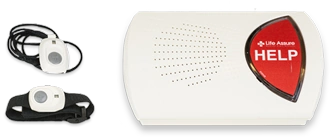
 Get Help With The Push Of A Button