


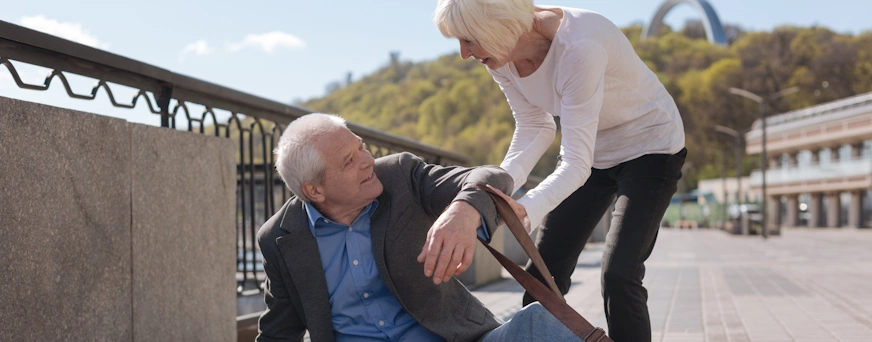
How to Improve Balance in Seniors and Prevent Falls
Steady steps can keep you safe through Canada’s long winters and busy days. As you age, your legs may weaken, and your balance can slip quietly. A small wobble on stairs or ice can turn into pain. Simple moves build strength in the hips, ankles, and core muscles fast.
Daily toe raises, heel walks, and chair stands train your body. A local physiotherapist or community class can guide safe progress today. Clear floors, bright lights, and firm shoes cut risk at home.
Regular eye checks and medicine reviews help you stay steady. With steady practice and smart support, you can prevent many falls. This guide will also help you understand how to improve balance.

Life Assure Product Quiz
Take our 30 second quiz and discover which Life Assure medical alert device is the right fit for you or a loved ones.
Life Assure Product Quiz
Take our 30 second quiz and discover which Life Assure medical alert device is the right fit for you or a loved ones.

Risks of Falls in Aged Adults
Falls may reduce a normal day to weeks of suffering and concern. Walking is more complicated in Canada as the ice, slush, and early darkness complicate it. Old age may weaken legs, retard reflexes, and stiffen ankles and hips. Changes in vision may conceal curbs, rugs and stair edges.
Dizziness or an abrupt sway may be brought about by inner-ear problems and certain drugs. A fall can result in broken bones, head injury or deep bruises.
Afterward, fear can reduce outings, which lowers strength even more. Emergency visits can rise quickly, and healing can be slower after sixty-five. That cycle can feel heavy, but prevention can break it for you.
10 Ways to Improve Balance in the Elderly and Prevent Falls
These 10 habits improve balance in seniors and help prevent falls in older adults.
Talk to your doctor to check for health issues and assess strength and balance
Arrange a visit in the event of wobbling, faintness, or the development of new stair fear. Explain the time of the occurrence such as in the mornings, post meals, or even a hot shower. Bring all the medicines and supplements, as some combinations make one dizzy.
Ask for a quick strength and balance check, such as chair rises. Also mention numb feet, joint pain, or recent falls, even small ones. Your doctor can adjust doses and refer you to physio, and a pharmacist can check side effects.
Wear proper footwear
Use shoes that stick on tiles, wood, and Canadian snowy sidewalks. Select a high heel, a broad toe box and good tread sole. Do not wear loose slippers, backless clogs, or socks only on smooth floors.
In winter, choose boots with deep tread, and keep them dry inside. Use ice cleats outside on freezing days, then remove them indoors. Heavy boots can trip you on stairs, so test them on your steps.
Get regular eye, ear and foot exams
Balance depends on vision, inner ears, and feeling through your feet. Book eye checks, because blur and glare can hide step edges. Update glasses when needed, and wear them for stairs and outdoor walks.
Ear issues can cause spinning or drifting, even at rest. Foot pain changes your stride, so treat bunions, nails, and sores early. If diabetes is present, routine foot care helps prevent numbness and missteps.
Remove trip or slip hazards
Keep walking paths clear, especially from bed to bathroom at night. Store shoes, bags, and pet bowls out of traffic lanes. Secure rugs with non-slip pads, or remove them if they curl.
Dry wet floors right away, including splashes near the sink. Use non-slip mats in the tub, and keep bottles off the floor. Outside, shovel early and spread sand or salt on icy steps.
Exercise regularly
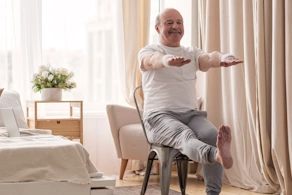
The constant movement of muscles prepares them in case your body moves abruptly. Walk the majority of days, even in a mall where it has icy sidewalks. Include strength exercises, such as heel raises and sit-to-stands, and side steps with a gentle movement.
Learn with the help of a counter and take breaths regularly. Stretch ankles and calves, stiff joints are a source of toe trips. Nevertheless, exercise does not have to be difficult to make it balanced.
Undergo balance training
Balance training is practiced during real life such as turning into a narrow kitchen. Stand at a solid counter, and begin feet together for ten seconds. Then put one foot before the other, as if walking a line.
Stand and turn your head very slowly, then stop and restart. Copy curbs, door tracks and snow ruts by stepping over a rolled towel. Physiotherapists can customize drills and community classes can keep you going.
Ensure proper lighting
The good light eliminates surprises particularly during the long Canadian winters. Install brighter bulbs in the stairways, corridors and the bathroom. Install bed to toilet night lights, so that shadows will not deceive you.
Have a lamp near the bed and not at the end of the room. Check porch and driveway lights, since the frozen steps look safe in the darkness.
Install stair handrails and bathroom grab bars
Hand support provides you with an option in the event of a lost foot. Have stair railings on either side, and ensure that they are firm. Grab bars should be installed in the shower and around the toilet in the bathrooms.
Do not use towel racks to hold on to, they may pull off. Put non-slips in the tub, and sit on a shower chair on a weary day. An elevated toilet chair would allow strain reduction and keep you more stable.
Stay hydrated and eat healthy meals
Dehydration can cause dizziness, cramps, and slower reaction time. Drink water throughout the day, even when cold air hides thirst. Warm soup, milk, and herbal tea also count toward fluids. Eat regular meals, because low blood sugar can make you shaky.
Add protein like eggs, yogurt, fish, or beans to support muscle. Choose colourful fruit and vegetables for energy and steadier healing. Limit alcohol, since it affects balance and judgment faster than expected.
Use assistive devices, especially if recommended by your doctor
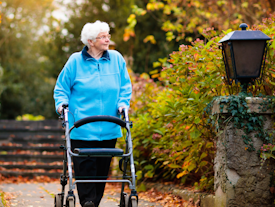
Falls can be reduced immediately with the help of a cane or walker. Take the device that your physician or physio prescribes or recommends, and not what looks better. Having the height adjusted is essential since an incorrect size puts pressure on the shoulders and wrists.
Replace the rubber tip when it wears off. Smooth tips slide. During winter, larger wheels will work better with cracks, slush, and snow. Before standing up, hold the device close enough to your arms to avoid lunging.
Conclusion
Better balance comes from small, steady habits that fit your daily life. Practice simple moves, and keep your home clear and bright. Wear grippy shoes, especially on icy Canadian sidewalks and steps.
Get checkups, because vision, ears, and feet guide safe walking. Use rails, grab bars, or a cane when support feels right. Stay active, eat well, and drink enough water. With time, you feel steadier, safer, and more confident.
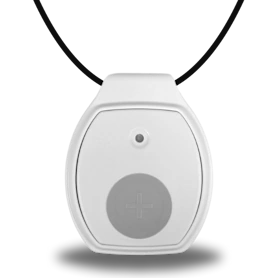
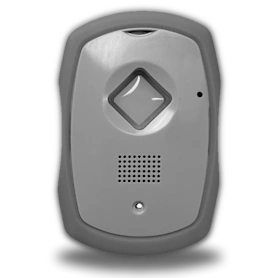
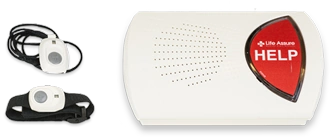
 Get Help With The Push Of A Button