



Hip Joint Pain While Walking: Common Causes and Solutions
Your hips carry you through stairs, sidewalks, errands, and long Canadian winters. When pain starts with each step, even simple tasks can feel heavy. You may notice stiffness, sharp twinges, or a dull ache spreading outward. That kind of pain often signals more than a brief strain.
It can stem from the joint, nearby muscles, or irritated soft tissue. If it keeps returning, everyday movement may slowly add more wear.
This guide explains common causes of hip pain while walking. You’ll also find simple, practical ways to ease discomfort, protect your hips, and move with more comfort each day.

Life Assure Product Quiz
Take our 30 second quiz and discover which Life Assure medical alert device is the right fit for you or a loved ones.

Life Assure Product Quiz
Take our 30 second quiz and discover which Life Assure medical alert device is the right fit for you or a loved ones.

Common Causes of Hip Joint Pain When Walking
Walking should feel smooth, steady, and almost automatic. However, when your hip starts hurting, every sidewalk, staircase, and icy Canadian path can feel harder than it should.
Osteoarthritis (OA)
One of the most frequent causes of hip joint pain on walking is osteoarthritis. It is caused by the gradual wearing out of the smooth cartilage in the hip and thus the bones no longer slide easily.
Initially the pain can be mild and irritating. You may find it during long walks, shopping or queues. The joint might later become stiff in the morning or sore and uncomfortable after sitting too long.
There are also those who will hear clicking or grinding deep within the hip. In cold weather that dirty feeling can be increased. In the course of time, the range of the joint becomes compromised, and even the process of putting on socks may become clumsy.
Hip Bursitis and Capsulitis
Bursitis occurs when a cushion which is filled with fluid around the hip becomes inflamed. On the other hand, capsulitis is a disease that involves the joint capsule and may cause tightness and restriction of the hip.
In bursitis, the pains are usually experienced around the outer hip. You can feel it lying on that side at night, which is ghastly, by the honesty. The pain can be flared by walking, particularly on uneven surfaces. Capsulitis feels different.
The hip becomes stiff, and movement starts to feel limited in several directions. Getting into a car, stepping into a bathtub, or turning quickly may feel strangely hard. In addition, both conditions can make your walk look shorter, slower, and uneven.
Hip labral tear
The labrum is a cartilaginous ring that causes the hip joint to be stable. Tearing the hip may make it feel unsteady, hurtful or strangely squeaky.
Others complain of catching, locking or snapping sensations when walking. Some experience severe pain in the groin or hip side. The pain is not necessarily sharp. It is sometimes boring, shrewd and inexplicable.
Nevertheless, it only manifests itself when twisting, pivoting, or walking long distances. A labral tear may occur after a fall, sport or constant strain. Moreover, it can be present together with impingement, and this increases the symptoms.
Hip Fractures
A fracture of the hip is a severe condition and it requires immediate attention. It is more prevalent in elderly people, particularly following a fall.
The pain is normally sharp, intense and cannot be ignored. You can not put weight on the leg at all. In other cases, the leg appears to be shorter or outward-facing. Well, this is no pain to walk away.
Stress fractures are capable of causing deep pain even when they are in a small state, and it gets worse with each step. These can occur in active individuals, runners or weaker bones. In Canada, bad falls may be caused by slippery sidewalks in winter.

Treatment Options for Hip Joint Pain
The right treatment depends on what is causing the pain. Also, the best results usually come from combining a few approaches, not relying on just one.
Physical therapy
Physical therapy is used to strengthen, increase movement and joint control. It is also commonly one of the most helpful points of hip pain.
A physiotherapist can examine your balance, bending, standing and walking. Then they develop exercises that suit your body and daily life. As an example, you can train on your glutes, core, and hip stabilizers.
These muscles assist in supporting the joint and eliminate the strain during the process of walking. Tight spots around the hip could also be enhanced through stretching. Flexibility is not the end though. It is improved locomotion, less pain, and increased confidence in each step.
Hot or cold therapy
Hot and cold therapy are simple tools, but they can be surprisingly helpful. You can use them at home with very little effort.
Cold packs are usually recommended following an activity or a flare. They assist in soothing the swellings and dulling the sharp pains. Heat is good for the rigidity, particularly in the morning. Before walking relax the area with a warm shower, heating pad, or warm compress.
Nevertheless, never apply ice or heat to bare skin. Apply a cloth barrier, and have short and safe sessions. Such small things can help to make an everyday movement less scary.
Activity and Lifestyle modifications
Sometimes the hip needs less strain before it can settle down. That does not mean stopping all movement. It means moving smarter for a while.
You may need to shorten walks, avoid steep hills, or take breaks more often. Supportive shoes can help a lot, especially on hard pavement. In winter, better grip matters too, since slipping changes how you walk.
Weight management may also reduce pressure on the joint over time. In addition, using a cane for a short period can unload the painful side. Little changes, honestly, can make a big difference when pain keeps showing up.
Medications
When the symptoms are affecting the normal life, medications can be used to lower the pain and inflammation. They cannot make your full recovery, but they can help.
Most of them begin with the over-the-counter painkillers. Some of them alleviate pain and some reduce inflammation as well.
Topical gels or creams can be used in case the affected area is accessible. In more serious situations, a physician can prescribe more powerful drugs or an injection in the joint.
These alternatives can help settle a flaring pain and put a sore back on its feet. Nevertheless, medications are not effective as substitutes for therapy and activity changes.
Surgeries
Surgery is usually considered when other treatments have not helped enough. It may also be needed sooner if the joint damage is severe.
The type of surgery depends on the actual problem. A torn labrum may be repaired through minimally invasive surgery. Impingement may be treated by reshaping the bone to stop the rubbing. In advanced arthritis, a partial or full hip replacement may be the better option.
Fractures may need screws, plates, or joint replacement, depending on the injury. Recovery takes time, yes, but many people return to walking with much less pain. The key is getting the right diagnosis before choosing the next step.
Conclusion
Hip pain while walking can change how each day feels and flows. You deserve clear answers, steady relief, and steps that feel easier again. Small changes, proper care, and early support can protect your hips.
Across Canada, seasons, sidewalks, and stairs can test sore joints fast. With the right plan, you can walk with more comfort and confidence.
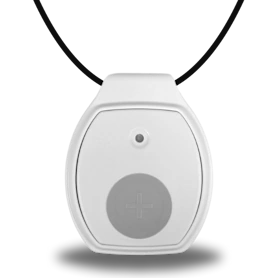

 Get Help With The Push Of A Button