



How to Reduce Cholesterol After 65: Heart-Healthy Habits You Should Follow
Your heart asks for more gentle care as it grows older. After 65, high cholesterol can quietly raise your risk of heart trouble. That matters in Canada, where long winters can keep you indoors and less active.
Medicine can help, but small daily habits often make a real, lasting difference. You can start with simple food, movement, sleep, stress, and smoking changes.
These steps work together to lower cholesterol and protect your heart each day. They also help you feel steadier, lighter, calmer, and more in control. Here are five simple ways to support better heart health starting today.

Life Assure Product Quiz
Take our 30 second quiz and discover which Life Assure medical alert device is the right fit for you or a loved ones.


Life Assure Product Quiz
Take our 30 second quiz and discover which Life Assure medical alert device is the right fit for you or a loved ones.

5 Heart-Healthy Habits to Reduce Cholesterol in Seniors
Most people can also experience cholesterol shift after 65, due to various silent causes such as a lack of movement. You can also experience changes in weight, less active habits, and increased indoor time.
These five habits provide you with a good consistent starting point in case you are asking just how to reduce cholesterol.
Follow a heart-healthy diet
A heart-wise plate can be used to reduce bad cholesterol, maintain good cholesterol and keep your energy levels more consistent throughout the week. In Canada, that may consist of warm oats in cold mornings, lentil soup in the lunch and plain fish or bean dinners at home.
Choose healthier fats
Saturated fat is likely to increase bad cholesterol, thus it is better to reduce fatty meat, deep-fried foods, pastries, and full-fat dairy.
Replace softer swaps that are not weird: canola oil in place of butter, yogurt in place of cream, baked salmon or chicken in place of processed meat. The changes also sound small but they work in the background on a daily basis.
Eat plenty of soluble fiber
Fiber that is soluble has the effect of trapping some cholesterol before it is absorbed in your body. That is why the oats, barley, apples, pears, beans, chickpeas and lentils are so useful staples, particularly among the older adults who desire simple meals.
A bowl of oatmeal and berries, or a bean soup on a snowy afternoon, will do more than fill you up. It silently works your figures in the right direction.
Increase plant stanols and sterols in your diet
The plant stanols and sterols have the potential to prevent the absorption of some of the cholesterol. The sources of them include nuts, seeds, legumes, whole grains, and such oils as olive or avocado.
Real-life would include adding walnuts to breakfast, increasing the amount of chickpeas in a salad, or drizzling roasted vegetables with a little olive oil.
Exercise regularly and stay physically active
Movement is not only useful in that way. It is capable of increasing the good cholesterol, maintaining blood pressure, and making it easier to control weight as well.
Canadian winter, with its ability to keep one indoors over extended periods of time, makes planned movement even more significant.
The elderly are supposed to strive to achieve at least 150 minutes of moderate to vigorous exercise every week and there are hundreds of safe ways to do so.
Brisk walking and other aerobic exercise
One of the simplest settings to start is by walking briskly. On hot days you can walk outside, on winter days when the roads are covered with ice you can go around an indoor mall, and when it is raining you can go on a treadmill in a community centre.
Swimming, cycling and water fitness classes are also good since they do not strain your heart by knocking your sore joints. Such consistent cardio will be beneficial for cholesterol in the long run.
Strength training two times a week
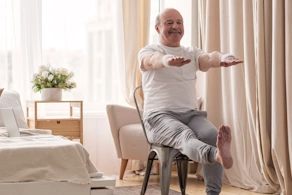
The muscle work is relevant as well, particularly it is needed after 65. Simple leg lifts, light dumbbells, resistance bands, chair squats, and wall push-ups will aid you in staying strong, postured and balanced.
In addition, the muscles are also stronger, and thus they assist your body in better utilization of energy, contributing to weight management and cardiac well-being. You do not need a fancy gym. The job might well be done by a short home routine.
Balance and flexibility work
Balance and flexibility are activities that do not appear to be vigorous, yet they are important. Soothing yoga, tai chi, walking on heels-to-toes, stretching, etc., will all help you move more easily and confidently.
Discussing the fact that your body will feel safer and freer, it is more likely to remain active throughout the week. And that, bluntly, is the thing. Regular exercise is a beat that puts one in good health every time.
Quit smoking and alcohol
The benefits of quitting begin quickly, and after a few minutes, blood pressure and heart rate become better, as does the risk of heart disease. Vaping can also lower good cholesterol, so this section really covers both.
Alcohol must undergo a clear inspection. Older people are more prone to its effects and excessive consumption of alcohol can elevate blood pressure, provide extra calories, and increase the risk of heart complications.
In Canada, the present health-related recommendations are that the less alcohol, the better, and 2 standard drinks or less per week are associated with a reduced risk, whereas 7 or more per week are identified with a significantly increased risk of heart disease or stroke.
Therefore, giving up smoking and limiting alcohol to a minimum is a good step towards improving your cholesterol and your heart.
Manage stress
Stress does not pour cholesterol into your blood by itself, but it can push you toward habits that do. You may snack more, sleep worse, move less, or reach for cigarettes or drinks. That is why stress care belongs in any heart plan after 65.
Try quiet time, meditation, or prayer
You do not need long, perfect sessions. Five or ten quiet minutes in a chair can help lower the mental noise. Some people like meditation. Some like prayer, soothing music or being seated in the presence of a cup of tea and with no phone anywhere.
Stay connected and keep a simple routine
Stress can be even heavier when an individual feels lonely and that tends to affect everyday routine. A walk with a neighbour, a seniors class, a phone call or Sunday dinner with the family can make the day better than you think.
Conclusion
Lowering cholesterol after 65 starts with steady habits that fit your life. You do not need perfect days, only small choices that stay simple. Better meals, daily movement, calm sleep, and less stress all help.


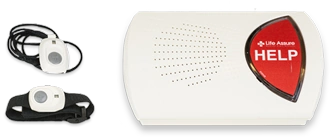
 Get Help With The Push Of A Button