




How to Sleep Better at Night If You Wake Up Frequently
Night wakes can slice your rest into thin, broken pieces, every single time quietly. In many Canadian homes, dry winter air and street noise tap your window. You roll over, check the clock, and feel the morning inch closer.
Learning how to sleep better at night starts with changes you can keep. A cool, dark bedroom, clean sheets, and calm routines signal your safety. Late coffee, heavy meals, and bright screens can keep your body alert.
If you wake, breathe slowly, stay in low light, and avoid scrolling. With a little patience, those midnight breaks can fade, and mornings feel kinder.

Life Assure Product Quiz
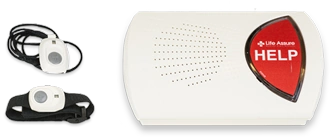
Take our 30 second quiz and discover which Life Assure medical alert device is the right fit for you or a loved ones.


Life Assure Product Quiz
Take our 30 second quiz and discover which Life Assure medical alert device is the right fit for you or a loved ones.

Why Do Seniors Wake Up in the Middle of the Night Frequently?
Night waking often happens because aging shifts sleep timing, comfort, and body signals.
Circadian Rhythm Changes
Your body clock can drift earlier as the years add up. You might feel sleepy soon after supper, then wake near 3 a.m. That early wake can feel sharp, like a light flipping on.
In Canada, long summer sunsets can delay sleep, then confuse your morning rhythm. On the other hand, dark winter mornings can nudge you into an earlier bedtime.
Chronic health issues
Health issues can wake you up without fully noticing why they happened. Sleep apnea can cause brief breathing pauses and sudden arousals. Reflux can burn when you lie flat, then you sit up fast.
Needing to pee at night is common, and it breaks deep sleep. Some medicines also wear off overnight, so symptoms sneak back in.
Hormonal fluctuations
Sleep hormones can change and make nights feel lighter than before. Melatonin may drop, so sleep feels thin and fragile. Cortisol can rise too early, so your brain starts morning mode.
Hot flashes can still appear later in life, quiet but disruptive. Thyroid shifts can also leave you feeling weird at night.
Insufficient Physical Activity
Less movement during the day can make sleep break apart more easily. Your body may not feel “earned tired,” so sleep stays shallow. Stiff hips and knees can make turning harder, and that wakes you.
In addition, less daylight time outdoors can affect your body clock. Winter ice can shrink walks, so indoor steps become extra important.
Chronic Pain
Pain can pull you out of sleep, then keep you alert. Arthritis often aches more when your body stops moving. Back pain can flare if your mattress dips in the middle.
Shoulder pain can spike when you stay on one side too long. Even calf cramps can jolt you awake, then make you dread rolling over.

8 Tips to Sleep Better When You Wake Up Frequently at Night
Small changes can stack up, and broken sleep can become steadier over time.
Address underlying health issues
Begin with the things that wake you, not the waking as such. In case snoring is loud, or there is no breathing, request testing. The sudden wake-ups can be diminished significantly through sleep apnea treatment.
In case the bathroom visits are frequent, query about fluids and bladder schedule. Carry a list of medicines to your doctor or pharmacist, including supplements.
Avoid caffeine, nicotine and alcohol
Caffeine may remain longer than anticipated in your body, even after lunch. You can keep yourself awake with coffee, tea, cola, and chocolate. Nicotine is an arousing substance and thus may cause sleepiness and wakefulness.
Alcohol may initially calm you down but in the long run it usually prematurely breaks sleep. It can be thirsty, sweating, and having a racing heart at around 2 am.
Establish a sleep schedule
A steady schedule teaches your body when sleep should start and end. Pick a wake time you can keep most days, even weekends. Try not to “sleep in” after a rough night, tempting as it feels.
On the other hand, forcing a very early bedtime can backfire. Aim for sleepy eyes, then bed, not strict clock rules.
Train your brain
Your bed should equal sleep, not stress, not phone time, not planning. If you lie awake for a while, change the setting gently. Move to a dim room and do a calm, boring task.
Read a paper book, fold towels, or listen to a quiet radio talk. Keep lights low so your brain stays in night mode, then return when sleepy.
Exercise regularly
Daily movement helps you fall asleep faster and stay asleep longer. A brisk walk after supper can help, but keep it comfortable. In Canada, mall walking is handy when sidewalks are icy.
Light strength work can help balance, joints, and steady energy. Try wall push-ups, chair stands, or gentle stretching most days. Avoid hard workouts late, since your body may stay revved up.
Eat light in the evening
Late reflux, pressure and repetitive waking may result due to heavy meals. Eat supper earlier on, in smaller amounts and less complicated food. Rich foods, spicy, and fried foods may cause burning at night. Should hunger strike later on, grab a small sized proteinous snack.
An example is that yogurt or cheese will not cause a sugar spike to settle a hungry person. Cut back on large beverages two hours before sleep to minimize the number of times to go to the bathroom.
Make your room sleep-friendly
You should have a cool, quiet, and safe bedroom to sleep in. Stay cool in the room, particularly when the weather is humid in summer. During dry winter seasons, a humidifier may alleviate coughing and sore throat. In summer mornings close off the sun with blackout curtains.
In case you get disturbed by noise on the street, use a fan or white noise. Check mattress support as well, this is due to sore joints caused by sagging points.
Avoid screen time before bed
Screens shine bright light that tells your brain it is daytime. That light can delay sleep hormones and weaken sleepy feelings. Social feeds and news can stir worry, then your mind keeps chatting.
Set a screens-off time, like one hour before bed, and stick to it. Use that time for a warm shower, calming music, or light reading. If a phone is needed, keep brightness low and content boring.
Conclusion
Frequent night waking can feel heavy, but change can come slowly. You can steady your sleep by keeping the same wake time. You can also cut late coffee and keep alcohol away.
A cool, dark room helps, especially in bright Canadian summers. If you wake, stay calm, keep lights low, and breathe. If pain or snoring keeps showing up, get help soon. Better nights can return, one small habit at a time.


 Get Help With The Push Of A Button