



Pneumonia in Elderly: Treatment, Recovery Time & Home Care Tips
Pneumonia can strike an elderly body in a Canadian winter. You could observe fatigued breathing, fever, chills, and a cough that aggravates. Treatment may begin with a visit to a local clinic, tests and fast antibiotics.
In case of oxygen deficiency, hospitalization and intravenous medication could ensue. Recovery may take weeks, and, therefore, you do not hurry your day even on good days.
At home, you take warm drinks, take frequent rest and consume soft food. You keep rooms damp, take drugs when you should, and continue.
Pneumonia Treatment Options for Aged Adults
Treatment for pneumonia in elderly is determined by the germ, how much oxygen you have in your body and the amount of strength you feel you have. In addition, the plan may vary rapidly when the symptoms change.
Antibiotics for Bacterial Pneumonia
Bacterial pneumonia is treated with antibiotics to prevent the infection at an earlier stage. When the signs are appropriate, such as fever, chest pains, and thick mucus, a doctor can begin taking pills immediately.
The location of the inflamed lung can be demonstrated by an X-ray of the chest. Blood tests could be used to test dehydration, strain on the kidneys, and infection stress.
Ask the clinic about allergies and kidney problems, as dose options are important. Complete the entire course, even when you are feeling better. Early termination will result in a rebound of the germs and that is not good for mature lungs.
Antivirals or Antifungals (When Needed)
Some pneumonia is viral, so antibiotics alone may not do much. Viral cases often show up after influenza or RSV, especially in the Canadian winter. However, antivirals may help when started early, and timing matters a lot. Tests, like a nose swab, can guide the choice.
Antifungal medicine is not as widespread, yet it may be essential due to some risks. As an illustration, a defective immune system may open the door to bizarre germs. The idea is not complicated: find the medicine for the cause, not the symptoms.
Oxygen Therapy, Inhalers, and Nebulizers
Pneumonia may cause loss of oxygen, despite its apparent steadiness and calmness. A fingertip test reveals whether you are low in oxygen or not. In the event that it is, the heart can be relieved through oxygen tubing or a mask.
Inhalers can be used when there is tightening of the airways, particularly in asthma or COPD. Nebulizers make medicine a fine mist, hence breathing becomes easy. Sleep can also be enhanced by better oxygen.
Hospital Admission and IV Care
When breathing becomes difficult, oxygen levels remain low or when dehydration develops, hospital care is necessary. Other warning signs, on the other hand, are severe in the immediate.
Confusion, bluish lips, fainting or extremely rapid breathing require immediate assistance. IV fluids may be administered to maintain hydration and thin mucus in the hospital.
IV antibiotics may be used for severe infection, vomiting, or poor absorption. Nurses may check oxygen often and adjust support. Discharge can include home oxygen, rehab, or nursing visits, depending on your strength and safety at home.
Recovery Time of Pneumonia in Elderly
Recovery time in older adults can feel slow, even after treatment begins. Many people improve in three to five days, with the fever easing first. Appetite may return in small steps, then energy follows later.
However, the cough can hang around for weeks, especially in dry indoor air. Fatigue is often the last symptom to leave, and it can feel heavy.
Full recovery often takes two to six weeks, and sometimes longer. You may feel okay at breakfast, then crash after lunch; well, it happens. That up-and-down pattern is normal while the lungs are repairing.
Home Care Tips for Faster Pneumonia Recovery in Older Adults
Home care supports healing between visits and after discharge. Also, small daily habits can make breathing easier.
Follow Medication Schedule and Full Antibiotic Course
Take the same schedule of all medicines you were prescribed. Associate doses with habits, such as breakfast, supper, bedtime, etc., so that they become automatic.
A pill box is a useful thing, since when you are sick, you get brain-fogged. Do not discontinue antibiotics prematurely, despite the abrupt improvement of the cough.
Early termination may allow bacteria to recur, and relapse may be more severe. In case of any side effects, consult a pharmacist or 811. Don’t guess the dosage since overdosing may lead to problems, as doing more than once a day may be harmful.
Practice Deep Breathing and Airway Clearance
Breathing deeply will open the parts of the lungs that remain closed when one is sick. Breathe in slowly, hold, and breathe out longer. Do rounds, then cough with the aim of clearing mucus. Being upright is more suitable for draining the lungs than lying flat.
Move about in bed throughout the day, even when you are fatigued. The warm shower steam is able to loosen mucus, sort of softening glue. When you have a device to use in clearing the airway use the plan. And do not push too hard, because you may get breathless.
Have Balanced Meals and a Lot of Fluids
Healing requires a constant supply of fuel; hence, small meals should be taken at regular intervals. Use soft foods that one has to swallow, such as soup, eggs, oatmeal, yogurt, and mashed vegetables.
Protein should be added when possible since muscles are known to deteriorate fast when they are resting in bed. Moreover, administer fluids throughout the day to loosen the mucus and aid breathing. Water is the best, and warm tea will comfort a sore throat.
Ensure Humid Air and Breathing Comfort
Dusty indoor air may aggravate the lungs and cause a persistent cough, especially during the night. A humidifier is added to improve hydration and can relieve congestion and dryness of the throat.
Wash it frequently, as impure water is likely to contaminate the air. Sleep at an angle a little higher than usual when breathing feels tight, with additional pillows or a wedge.
Conclusion
Pneumonia can shake older lungs, yet steady care helps you turn the corner today. You follow treatment, watch oxygen, and call 811 if symptoms change at home fast. Recovery takes time, so you rest often and walk a little each day indoors.
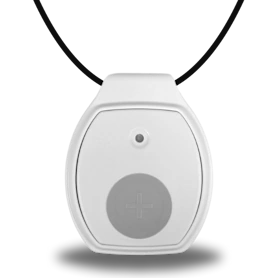
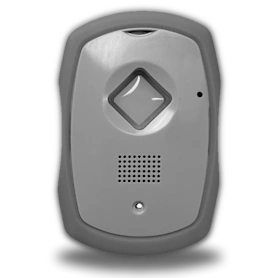
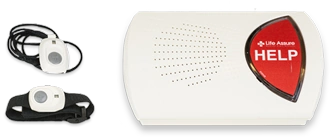
 Get Help With The Push Of A Button