



Sore Hips After Walking or Running: What Your Body Is Telling You
Those daily miles can lift your mood, build strength, and support your health. But when your hips start aching after a run or long walk, your body is asking for care. Every step sends force through your lower body, and your hips take much of that load.
On hard sidewalks, snowy paths, or uneven trails across Canada, strain adds up fast. Sore muscles, angry tendons, or irritated joints can all spark that deep ache.
The good news is that many causes are easy to spot. With a few smart changes, you can ease pain, protect your hips, and keep moving with comfort.

Life Assure Product Quiz
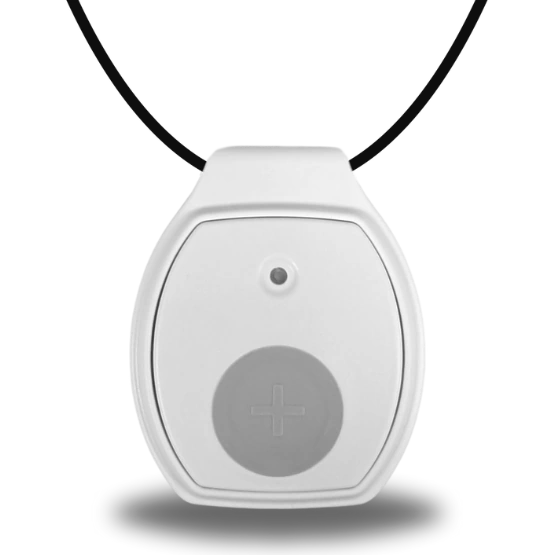
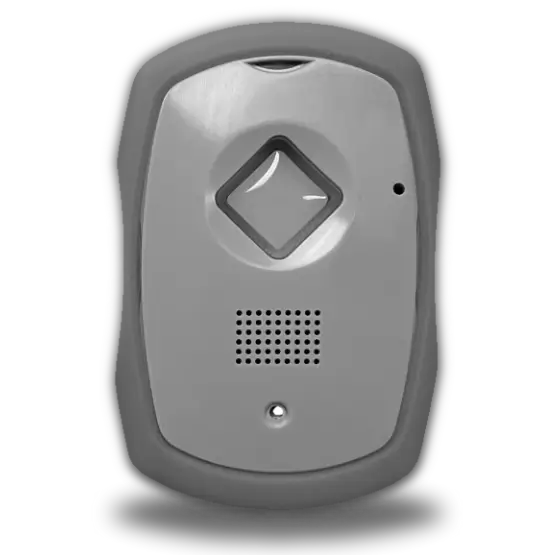
Take our 30 second quiz and discover which Life Assure medical alert device is the right fit for you or a loved ones.
Life Assure Product Quiz
Take our 30 second quiz and discover which Life Assure medical alert device is the right fit for you or a loved ones.

How Running or Walking Affects the Hips?
Your hips do more than swing your legs forward. They stabilize your pelvis, cushion and assist every stride to land properly. With each run, several times your body weight is repeated thousands of times in this joint.
Walking is not as demanding, but long walks do strain the same muscles, tendons, and cartilage. In Canada, it is easy to feel tight in tissues before you can even step out on the sidewalk in the morning.
So, when the joint stops moving smoothly, your body often sends a signal through stiffness, aching, or sharp pain.

Key Causes of Sore Hips After Running or Walking
Sore hips usually start with overuse, poor mechanics, weak support muscles, or a joint problem.
Hip Labral Tear: Deep Inner Hip Pain
A labral tear would be more painful and more difficult to localize. A sharp pain in the front of the hip or in the groin, a catching, clicking or locking pain, may occur. It occurs when the cartilage that encircles the socket wears out or tears.
It can be triggered by long-distance running on the hard surface, repeated turning, or a pre-existing problem with the shape of the hips. When your hip is not stable and keeps snagging you, it is a cue to be considered.
Hip Impingement (FAI – Femoroacetabular Impingement): Sharp Groin Pinch With Bending
This pain has a pinching quality. It often shows up when you bend deeply, drive uphill, climb stairs, or get up after sitting. In simple terms, the ball and socket do not glide as cleanly as they should. Instead, they rub. Over time, that rubbing can irritate the joint and nearby cartilage.
You might stretch and stretch, yet the hip still feels blocked. That is because the problem is not just muscle tightness. It is also the way the joint fits together. For runners and fast walkers, that nagging groin ache can build slowly.
Iliotibial Band Syndrome: Lateral Hip Friction Issue
This one is painful around the outer hip with tightness down along the side of the thigh.
It is typical in distance runners and particularly when their pace suddenly changes, on hills or weekly distance. Poorly supported shoes can contribute to the situation. The tissue of the outer leg is overworked, after which it begins to rub and pull at places where it is supposed to move.
The pain can begin minorly and appear to be innocuous. And then one day half-way through a walk or run it bites.
Stress Fractures in the Hip: Hidden Danger
This is the one that you do not want to brush off. A hip stress fracture is a tiny crack caused by repeated loading. At the beginning of the disease, the pain can be a dull ache in the front of the hip or in the groin. The walking or running usually tends to aggravate it but it settles down when the person rests.
When the pain becomes persistent, sharper, or alters your stride, quit training and see a doctor. The bone injuries do not heal themselves with grit.
Treatment for Sore Hips After Running or Walking
Treatment depends on the cause. So, here are some effective treatment options for sore hips.
Rest and Ice
Rest does not imply doing nothing for days. It is abandonment of the movement that continues to rouse the pain. Ice can be used to relieve irritation and during the initial two days following a flare. An ice pack wrapped around an injured area for about 15 to 20 minutes will suffice.
In addition, do not press through sharp pain just to finish a workout. People think that such a move backfires more frequently than it seems. If one side hurts, avoid sleeping or lying on it for long stretches.
Foam Rolling
When the tight muscles are pulling on the hip on all sides, then foam rolling can help. It is particularly helpful in the area of the hip flexors, outer thigh, glutes and upper quads. Go slow and rub on the sensitive areas rather than scrape on them.
Moreover, foam rolling becomes more effective in combination with the light stretching and smart training changes. It is an aide, but not a complete remedy itself.
Medications
Over-the-counter pain medication may help when hip pain or swelling is particularly severe. Anti-inflammatory medicine can relieve pain to a point that you can get sleep, walk and perform rehab work more easily. Nonetheless, it is not a cure, and it should not be used to mask pain so you can keep hammering out runs.
Tips to Prevent Sore Hips After Running or Walking
Prevention is rarely one big fix. It is usually a bunch of small habits that keep load, posture, strength, and recovery in a better place.
Warm-Up Before Running and Cool Down Afterwards
Warm-up does not necessarily have to be elaborate. The hips, glutes and core can be warmed up to an activity by a brisk walk, light jog or a few dynamic leg motions before the impact begins. It is even more important in cold Canadian mornings, when the muscles are stiff immediately.
Cool your body with easy walking, and after that, you may add simple stretches. That mini-routine also aids in regaining a range of motion and can help reduce tightness the following day.
Keep a Balanced Spinal Posture While Walking or Running
Posture changes hip load more than many people realize. Lean too far back, twist too much, or let your trunk wobble, and the hips pick up extra stress.
Keep your back tall, your stride steady, and your arms swinging forward and back instead of across your body. That helps spread force more evenly. In addition, a well-aligned spine works like a shock absorber for your lower body.
Change Your Shoes
Old shoes can quietly wreck a good stride. When cushioning wears down, your hips often take more of the shock. Support matters too, especially if your feet roll inward or your route is mostly pavement. A proper fit can help keep the hips, knees, and ankles lined up better.
Also, do not wait until the soles look terrible. Many running shoes need replacing after roughly 480 to 800 kilometres.
Conclusion
Your hips deserve care, especially after long walks or runs in Canada. Pain is not random, and your body rarely stays quiet without reason. Small changes can ease strain, calm soreness, and protect each step.
 Get Help With The Push Of A Button