



How Canada Driving License Rule Changes Affect Senior Mobility
Driving keeps you connected to family, care, and daily life in Canada. As years pass, that small key can protect your independence and dignity. New licence rules for seniors are appearing across provinces and territories this year.
You may see tighter renewal dates and added vision or health checks. Some places ask for doctor forms or a short safe driving review too. These changes aim to keep roads safe, yet they can feel stressful at first.
Knowing what to expect helps you plan trips, rides, and backup options. You can stay mobile by checking local rules early and building support.

Life Assure Product Quiz
Take our 30 second quiz and discover which Life Assure medical alert device is the right fit for you or a loved ones.


Life Assure Product Quiz
Take our 30 second quiz and discover which Life Assure medical alert device is the right fit for you or a loved ones.

Driving Licence Renewal Changes for Seniors
Driving rules for older adults are shifting across Canada, and you feel it. Renewal visits now matter more, because each one can change how freely you move.
Age-Based Renewal Intervals for Senior Drivers
As you age, the time between licence renewals often gets shorter. At some birthdays, like seventy-five or eighty, the rules can suddenly tighten. You might shift from ten-year cards down to five or even two. That shorter window can feel annoying, but it also keeps records fresh.
It means your photo, address, and health details stay close to real life. You also see licensing staff more often, who explain new signs and winter rules.
Vision, Medical, and Fitness-to-Drive Reports
Clear sight and steady health matter a lot behind the wheel, you know. Many provinces now ask for eye checks when you reach certain ages. You may bring a note from your optometrist or do a simple screen. In addition, your doctor might need to fill a fitness-to-drive form.
These forms talk about your heart, memory, balance, and reaction speed. It can feel personal, even unfair, when someone writes about your health like that.
However, the goal is to match your licence with your real abilities. Good glasses, new medicine, or a small change in driving hours can help.
Road Test Referrals After Incidents or Concerns
Sometimes the motor vehicle office sends you for a road test again. This usually follows a crash, a major ticket, or several close calls. A police report or worried letter can start the process. At first, the referral feels heavy, like someone doubts your long years of driving.
On the other hand, it gives you a real chance to show your skills. The examiner watches lane changes, turns, school zones, and busy intersections. Passing can restore confidence, while failing signals it is time to plan new travel.
Restricted Licences for High-Risk Conditions in Canada
Not every health issue means you must stop driving entirely, and that matters. In Canada, some seniors receive restricted licences instead of a full suspension. You might be allowed daytime driving only, which avoids dark winter roads.
Sometimes you must stay within a set distance from home or town. These limits can feel tight, yet they also extend your driving years. With a restricted licence, you still reach the grocery store, bank, and clinic.
How These Driving License Rule Changes Shape Daily Mobility in Older Adults?
Rule changes seem small on paper, but they touch almost every move you make. Each renewal, test, or report can open doors or quietly close them.
Licence Renewal Rules and Daily Errands in Canada
Think about simple errands, like picking up milk or mailing a parcel. When renewal times shorten, you must stay more organized with licence dates. An expired card means no legal driving, even for a quick corner store run.
You might end up waiting for the bus with heavy bags instead. Also, some seniors avoid peak traffic to dodge stress and police stops. That choice shapes when you shop, where you bank, and which streets feel safe.
Health-Based Licence Reviews and Medical Trips
Health-based reviews often land right when you already juggle many appointments. You have blood tests, scans, or physio, and now licence forms too. When a doctor flags concerns, you might face delays before the office decides.
That delay can make it harder to reach clinics on your own schedule. Family or neighbours step in more, which can feel both kind and awkward. In addition, you may bunch several medical visits into one carefully planned trip.
Road Test Outcomes and Using Transit Instead
A failed or delayed road test can quickly push you toward other transport. You start checking bus maps, train times, and ride apps on your phone.
At first, the routes look confusing, and the winter wait seems harsh. However, with practice, you learn which stops feel safe and well lit. You might pair a short taxi ride with a bus, just to keep costs lower. Some cities also offer senior shuttles for shopping days or clinic runs.
Restricted Senior Licences and Social Outings
Social time changes a lot when your licence carries extra limits or notes. Maybe you stop driving at night, so concerts or late dinners fall away. You could still meet friends for daytime coffee or lunch near home.
However, faraway weddings, games, or holiday parties start to feel out of reach. You also think twice before offering rides, even for close family visits. In addition, you may lean more on carpools or community trips for special events.
Practical Ways to Stay Independent If Driving Rules Get Stricter
You still have many ways to stay mobile, even when rules tighten around you. Start by keeping track of renewal dates on a wall calendar or phone reminder. Gather medical papers, glasses prescriptions, and medicine lists in one easy folder at home.
Before a review, take a slow practice drive on calm streets you know well. Notice left turns, school zones, and busy crosswalks, and adjust gently where needed. Ask your eye doctor about glare, night vision, and frames that work better for driving.
You can also meet a driving instructor who knows local senior programs and tests. They help you understand what examiners watch closely and what matters less. At the same time, explore buses, light rail, and senior ride services in your area.
Try these options on good weather days first, with no big time pressure. Save taxi numbers, ride app settings, and transit maps where you see them easily. Talk with family, neighbours, or building staff about shared drives and regular errands.
Many people quietly like to help, especially when plans feel clear and fair. Above all, keep some backup plans ready so one licence decision does not trap you.
Conclusion
Canada’s changing driving licence rules can feel heavy, yet you still hold choices. You can watch renewal dates, gather papers early, and plan rides before problems grow. Small steps, like eye checks, shorter routes, and slower winter trips, protect you.
You also try transit, community shuttles, or shared rides, building backup plans. With clear information and honest talks, you keep moving through daily Canadian life.
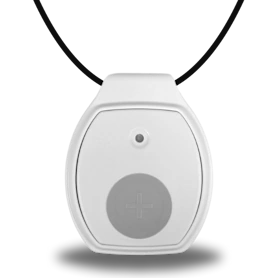

 Get Help With The Push Of A Button