




How to Manage Arthritis Pain During Cold or Rainy Weather
Rheumatic winds and cold rains can tighten the joints and cause them pain. Nationwide, in Canada, morning stiffness in the winter and days of rain are generally added to the original rigidity, coast-to-coast.
Your body does not move and hours on, pain can also increase as the muscles will be tensed. This guide shows how to manage arthritis pain with warmth and motion. Slip on layers, warm socks, and mitts before stepping onto icy sidewalks.
Have a heat pad, then do some light exercises by a window. Humidify the air inside the house, drink hot tea, and walk around frequently. Cold rainy weather does not seem that bad with little steps in a day.

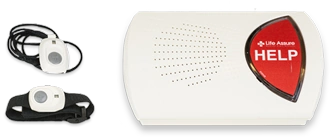
Life Assure Product Quiz
Take our 30 second quiz and discover which Life Assure medical alert device is the right fit for you or a loved ones.

Life Assure Product Quiz
Take our 30 second quiz and discover which Life Assure medical alert device is the right fit for you or a loved ones.

Things you can do to support your joints during cold or rainy weather
Cold air and wet skies can make joints feel stiff and cranky. Simple daily habits can keep you steadier, warmer, and moving better.
Wear light but warm layers
Start with thin layers that trap heat without feeling bulky. A light cushioning type covers your skin with sweat. To be consistently comfortable, add a warm middle layer, such as fleece. When the wind bites, put on a windproof jacket.
Cold wind may cause tightening of muscles and that may pull over joints. Cover wrists, ankles and neck, these areas cool quickly.
Wear fingerless gloves when doing chores at home when hands are sore. And one more thing, a warm scarf when the cold air comes in. little warmth changes are huge on achy mornings.
Follow an at-home exercise routine
Indoor movement is even more significant when the sidewalks are icy. Make it plain, and make it constant. Make circular movements of the ankle slowly keeping a counter. Dance around during the boil of kettles, in a sort of a casual manner.
Attempt, sit on chair, soft wall push-ups and effortless leg lifts. Conversely, do not make sudden movements, which shake aching joints. Heat it up initially using a heating pad for ten minutes. Then take action, however gradual may be the beginning.
When the muscles are warmer, then stretch after and not before. Set the alarm to five minutes then add up. You want to move smoothly, not to work hard.
Maintain a healthy weight
Extra weight can press down on hips, knees, and feet. In winter, heavy boots and thick clothes can hide changes. A small gain can still add strain, especially on stairs. Aim for simple portions and steady meals each day. Also, keep snacks planned so hunger doesn’t ambush you.
Choose filling foods like oats, beans, and plain yogurt. However, don’t chase quick fixes or harsh diets. Slow changes stick better, and they feel kinder. If weight is hard to shift, focus on strength. Strong muscles can help joints feel less loaded.
Get a great, reliable pair of boots
Cold rain, slush, and freezing drizzle are classic Canadian problems. A safe boot can stop a slip before it happens. Look for deep tread that grips wet pavement. Choose a wide toe box, so toes don’t squeeze and ache. A firm heel counter helps steady your ankle on uneven ice.
Also, consider removable insoles for extra support and comfort. If boots feel heavy, try lighter insulated options instead. On icy days, add slip-on ice cleats for walks outside. Keep a second pair near the door, so you don’t rush. Falls can flare pain fast, so stability really matters.
Eat healthy
Food does not affect the weather but it can nourish your body. Prepare food using colourful vegetables where feasible including frozen vegetables. Frozen berries, spinach and mixed veggies are simple and affordable.
Occasionally add in some oily fish, such as salmon or sardines, which is a healthy source of fats. Fried foods and heavy sweets on the other hand will get you slow. Use olive oil, nuts and seeds where possible.
In addition, include protein with every meal such as eggs, beans or chicken. Protein assists in the maintenance of muscle fitness around joints.
Soak in warm water
Warm water can calm stiff joints and tight muscles. A bath is great, but a shower can help too. Keep the water warm, not scorching, to protect skin. Soak hands in a bowl if fingers ache during cold rain. Try Epsom salts if they feel soothing to you.
However, skip long soaks if swelling looks worse afterward. After soaking, dry well and dress warm right away. Heat fades fast when air is chilly. Also, do gentle stretches right after, when joints feel loose. Even two minutes of easy movement can help the benefit last longer.
Indulge in a massage
Massage can relax muscles that guard sore joints. It can also boost blood flow, which feels comforting. Use lotion and slow pressure, not hard poking. A tennis ball against a wall can work for tight shoulders. Roll gently, and stop if pain feels sharp.
On the other hand, steady, dull pressure can feel good. Massage around joints, not directly on painful spots. Also, warm your hands first so touch feels pleasant.
If budget allows, book a professional massage sometimes. Ask for lighter pressure and clear communication. Afterwards, drink water and rest a bit, because muscles may feel tender.
Protect your joints
When it is cold, you feel like hunkering down and moving less. That can cause even more stiffness of joints in the future. Perform body friendly exercises when performing daily activities. Carry groceries with legs, not with your back.
Move heavy objects in the counters rather than pick, and pull. Speaking of which, also use jar openers and thick-handled tools to avoid using fingers. Knee pads on floor work, or sit on low stool. When cleaning, even in short breaks, do not cause flare in the joints.
During rainy seasons, run errands when it is raining because there is no need to hurry around wet parking lots. Place heat packs, braces and pain tools in a single basket. Strain should be minimized at the beginning not at the end when the pain is acute.

Conclusion
Cold rain and winter wind can make joints feel sore and tight. You can stay steadier by adding warmth, movement, and smart rest. Keep layers handy, sip water, and eat simple, healthy meals. Use warm baths or heat packs when stiffness creeps in.

 Get Help With The Push Of A Button