



Elderly Monitoring System: How Smart Devices Keep Seniors Safe at Home
In your Canadian home, you want your aging parent safe and calm. Elderly monitoring systems use smart devices that quietly watch daily movement and habits. Small sensors notice opened doors, long quiet times, or missed morning steps.
If your mom slips in the bathroom, you get an instant alert. Cameras near the entrance help you see visitors during dark winter evenings. Smart speakers let you talk, give pill reminders, and ease lonely moments. With these tools, you help your loved one stay at home.

Life Assure Product Quiz
Take our 30 second quiz and discover which Life Assure medical alert device is the right fit for you or a loved ones.
Life Assure Product Quiz
Take our 30 second quiz and discover which Life Assure medical alert device is the right fit for you or a loved ones.

How Does an Elderly Monitoring System Work and What’s the Role of Smart Devices in It?
An elderly monitoring system in Canada sits quietly in the background of home life. Small smart devices watch daily patterns, like morning trips to the washroom and kitchen. Motion sensors notice when a hallway stays quiet much longer than usual. Door sensors can send a quick alert if a back door opens late at night.
A smart watch with fall detection can spot a hard drop on the bathroom floor. In many homes, a hub or tablet collects all this data in one place. It then sends safe, encrypted updates to a phone app for loved ones. You can check a simple dashboard while riding the GO train or SkyTrain.
A smart watch with fall detection can spot a hard drop on the bathroom floor. In many homes, a hub or tablet collects all this data in one place. It then sends safe, encrypted updates to a phone app for loved ones. You can check a simple dashboard while riding the GO train or SkyTrain.
Setup can happen slowly, starting with one room that feels most risky, like the bathroom. Clear consent and simple language keep seniors part of every choice, not just silent subjects. The tech does the tracking so your family can focus on real visits and calls.
Benefits of Smart Devices and Elderly Monitoring Systems for Senior Safety at Home
Smart devices bring safety, calm, and structure to life for seniors across Canada. They also help you support aging parents without taking away their sense of control.
Reduced Risk of Falls and Faster Help
Falls are a huge worry in Canadian homes, especially on icy winter days. Smart floor sensors, bed mats, and fall detection watches track sudden drops or odd movement. If your dad slips in the bathroom, an alert can ping phones right away.
A neighbour, caregiver, or adult child can head over or call to check. In addition, hallway lights can turn on when motion is seen at night. This simple glow cuts the risk of tripping on rugs or shoes. You get fewer panicked drives to the ER, and faster help when trouble actually happens.
Real-Time Health Monitoring from Home
Many seniors deal with heart, lung, or diabetes issues. Smart blood pressure cuffs, glucose meters, and pulse oximeters send readings to an app. Some systems can share this data with clinics in Ontario, British Columbia, or Quebec.
A nurse may spot rising blood pressure before it leads to a scary event. You can also see simple charts that show if numbers stay mostly steady. This kind of daily view can guide visits to family doctors or walk in clinics.
Some families even share summaries during virtual visits with doctors on video. This makes each short appointment count more, which feels pretty helpful. Instead of guessing, you walk in with clear facts from home life.
Peace of Mind for Family and Caregivers
Caring for aging parents in Canada often happens across long distances. Adult children may work in Calgary, while parents stay in a small Saskatchewan town. A monitoring system gives a gentle window into daily life without being nosey.
You see if the kettle turned on, the bedroom light changed, or the door opened. However, you still respect privacy, since cameras stay out of bathrooms and bedrooms.
Short daily check in messages from the app can ease that constant low level worry. It feels less like spying, and more like standing watch from down the street.
24/7 Safety Coverage at Home
No one can watch a loved one every minute, and that is okay. Smart devices do not get tired during a late hockey game or long work shift. Sensors keep working through snowstorms, dark winter mornings, and holiday weekends.
On the other hand, you control who gets alerts and how loud they arrive. Maybe the closest sibling gets night time calls, while others get quiet updates.
In addition, backup batteries can keep the system running during short power cuts. This round the clock coverage makes the house feel less risky, even when empty.
Better Medication Reminders and Daily Routines
Sticking to the right pills at the right time can be tough. Smart pill boxes can beep, flash, or even speak when it is time for meds. If a dose is missed in a Toronto condo, an alert can reach family phones. Over time, the app shows patterns, like evening pills often being forgotten.
You can then adjust routines, maybe linking pills with closing TV or feeding a pet. In addition, simple reminders can cover water intake, meals, or blood sugar checks. The system acts like a calm coach, keeping the day steady and safe.
Longer Independent Living in Canadian Homes
Most Canadian seniors would rather stay in their own place, not a facility. A monitoring system lets that wish stay possible for more years. You get early warning signs, like more night wandering or fewer kitchen visits.
These clues can prompt talks with doctors or local home care services. With some help from visiting nurses or personal support workers, home can still work. Smart locks, video doorbells, and intercoms add another layer of calm.
You know who comes to the door, so your parents do not rush. In many cases, these tools delay moves to long term care and keep life rooted.
Conclusion
In Canada, you want your loved one safe at home, not worried. An elderly monitoring system turns smart devices into quiet helpers in every room. They watch for falls, missed steps, or long silence, then send instant alerts.
You can check your phone on the bus and breathe a little easier. With these tools, you support independence while keeping danger, a bit smaller.
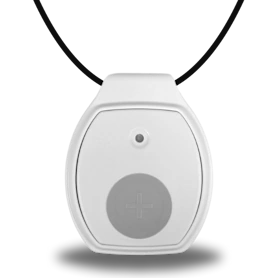
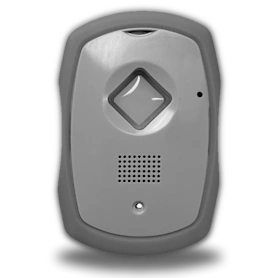
 Get Help With The Push Of A Button