



Medical Alert Bracelet Guide: Benefits, Costs, and Best Options
A medical alert bracelet can speak for you in a crisis. In Canada, quick details can guide paramedics to safer care. You may live with diabetes, allergies, epilepsy, or a pacemaker. A simple band can list meds, contacts, and key treatment notes.
Costs range from basic engraved steel to GPS smart models. Monthly plans may add fees for monitoring and nationwide support. You can find brands that favor Health Canada notes or sleek jewelry looks.
You can compare style, comfort, durability, and bilingual engraving for Canadian settings. This guide helps you choose trusted options that fit your budget and life.

Life Assure Product Quiz
Take our 30 second quiz and discover which Life Assure medical alert device is the right fit for you or a loved ones.
Life Assure Product Quiz
Take our 30 second quiz and discover which Life Assure medical alert device is the right fit for you or a loved ones.

Benefits of Medical Alert Bracelet
A medical alert bracelet shares critical health facts fast. In Canada, that speed can shape safer choices.
Faster emergency help in Canada
A bracelet puts key details in plain sight for paramedics. It helps during falls, seizures, or sudden low blood sugar. You can list diabetes, heart disease, or serious drug allergies.
This note may prevent risky meds and speed triage. It also helps in smaller Canadian communities with fewer specialists. A wallet card is useful, however it can be missed sometimes.
Bilingual info for responders
English and French lines reduce confusion in urgent moments. This matters in Quebec, Ottawa, and many federal clinics. Use short paired terms, like “Allergy / Allergie.”
Keep the plate uncluttered so letters stay large. In addition, add one ICE contact with a Canadian number. Simple bilingual wording can guide quicker, calmer care easily.
Safer travel across provinces
Your health needs should move with you across the country. A bracelet speaks the same message in Vancouver or Halifax. It can help airport staff, hotel teams, and EMS.
Add a Canadian emergency contact and one key medication. If you have a rare condition, name it plainly. This small step supports safer road trips and flights.
Daily peace of mind
A bracelet can feel like a quiet safety net on your wrist. It eases worry for seniors, kids, and active adults. It also helps caregivers trust that help will have context.
On the other hand, some people dislike a medical look. Many Canadian brands offer jewelry-style options that blend in. Comfort and style make daily wear more realistic.
Costs of Medical Alert Bracelet
The average cost of a medical alert bracelet in Canada varies by type and finish. Basic engraved bracelets often cost about CAD $20 to $80. Mid-range medical jewelry in steel or silver may run CAD $80 to $200.
Gold, titanium, or designer pieces can cost more, depending on brand. Smart bracelets with GPS, fall alerts, or app profiles may cost CAD $150 to $350. Many smart systems also add monthly monitoring, often around CAD $20 to $40.
Provincial taxes, exchange rates, and shipping can raise totals, especially for rural or northern addresses. Sales and bundle deals sometimes soften the price.
Factors that affect cost of Medical Alert Bracelet
Costs change with engraving needs, materials, and technology. Canadian shipping distance, taxes, and warranties also affect the final price.
Engraving type and bilingual text
Laser engraving is crisp and usually affordable. Deep engraving can last longer through daily friction. If you need English and French text, you may need a larger plate.
This can add a little to the cost. Keep only the highest-risk details to save space. Check whether updates require a new tag.
Material and Canadian shipping
Stainless steel is tough and budget friendly for most Canadians. Silicone is light and great for kids at school. Silver and gold raise costs quickly.
Leather looks sharp, but winter slush can wear it down. Shipping may cost more for rural and northern addresses. Local suppliers can reduce delays and fees.
Smart features and monthly plans
Smart models may offer GPS, SOS calling, or digital medical profiles. These features can help people with dementia or seizure risk. However, they often come with monthly monitoring fees.
Batteries may need frequent charging, which is not for everyone. On the other hand, a simple engraved band needs no subscription. Match the tech level to your daily habits.
Brand, warranty, and local support
Brand reputation often reflects service, design, and reliability. A clear warranty helps if the clasp breaks or the plate fades. In addition, fast replacement shipping inside Canada matters.
Some providers offer bilingual customer support. Look for reviews that mention real Canadian delivery experiences. Balance trust and price rather than chasing the priciest option.
Key factors to consider while choosing the best medical alert bracelet
The best bracelet fits your body, your habits, and Canadian seasons. You want something you will not hesitate to wear.
Bilingual, clear engraving
Put the most urgent facts first on the plate. List conditions, severe allergies, and critical medications. Use large letters and avoid fancy fonts.
Add brief English and French lines if needed. Include an ICE contact with a Canadian phone number. Short, readable text helps responders act fast.
Comfort for daily Canadian wear
A bracelet only helps if you wear it every day. Choose smooth edges and a fit that is not too tight. Adjustable bands help with swelling in heat or long shifts.
Silicone or nylon suits sports and school. Metal styles can look better for office days. Two simple options can keep the habit steady.
Durability for winter and outdoors
Canadian weather can be hard on cheap finishes. Look for rust resistance and strong, simple clasps. Waterproof bands help for pools, lakes, and snowy commutes.
If you hike or ski, a secure fit is essential. Leather may need extra care, on the other hand. Ask about replacement plates and straps.
Reliable support across Canada
If you choose monitoring, check for nationwide Canadian coverage. Ask how alerts work in cities and in rural areas. Some services notify family first, which can suit small towns.
For engraved models, confirm how easy updates are. Health details change over time, like new meds or diagnoses. Reliable support keeps your bracelet accurate for years.
Conclusion
A medical alert bracelet can be your quiet safety voice in Canada. You gain faster care, clear bilingual facts, and calmer family moments. Costs vary from simple engraved bands to smart options with monthly fees.
You can match material and style to workdays, sports, and winters. Check Canadian support, easy updates, and a fit you will wear. With the right choice, you step out feeling safer every day.
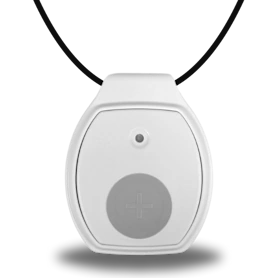
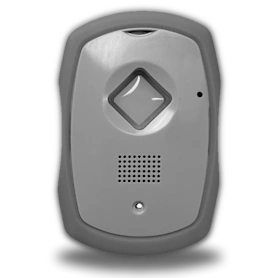
 Get Help With The Push Of A Button