


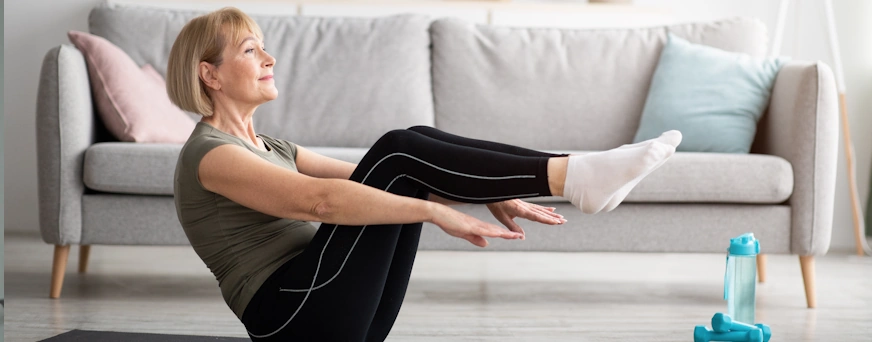
How To Exercise Safely As A Senior After 60
Safe exercise also makes your body steady, strong and confident today after 60. Smart choices are even more crucial in Canada, where cold mornings and icy sidewalks are considered a priority. Begin with a warm-up, and then proceed at an easy pace.
The goal is 150 minutes per week of vigorous walking, bicycling or swimming, divided. Include straight forward strength exercises two times a week to safeguard bones and joints. Balance exercises are important, such as a heel-to-toe step by a kitchen counter every day.
Learn to listen to pain, consume water and rest when your energy suddenly decreases. Always consult a physician before undertaking new exercises.

Life Assure Product Quiz
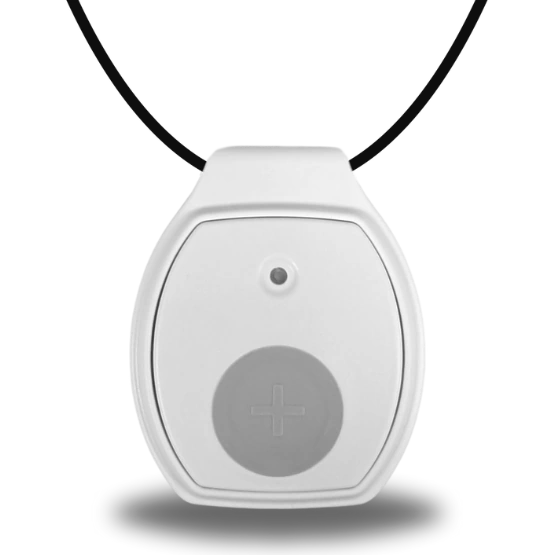
Take our 30 second quiz and discover which Life Assure medical alert device is the right fit for you or a loved ones.

Life Assure Product Quiz
Take our 30 second quiz and discover which Life Assure medical alert device is the right fit for you or a loved ones.

How aging raises the risks?
After 60, your body can still move, but it shifts quietly. Muscles shrink, so stairs and hills ask for more effort. Joints may feel stiff, and quick twists can pull or pinch. Bones can thin, so a simple fall can bring bigger pain. Eyes and ears may fade a little, which can affect balance.
Your reflexes slow, so you catch yourself later than before. Some medicines can cause dizziness, dry mouth, or a fast heartbeat. Long sitting tightens hips, and your steps may get shorter. Cold Canadian weather adds another layer, since ice and bulky boots change your footing.
Also, old injuries can wake up when you push too hard. Learning how to exercise safely as a senior means planning around these changes, not fearing them.
A smart routine uses warm-ups, steady pacing, and clear recovery days. Small pauses can prevent sudden strain. That way, movement stays helpful, not risky.

5 tips to start exercising safely over 60
Safe fitness starts with small choices you can repeat most days. Pick simple moves, then build time and effort in calm steps.
Find an activity you enjoy, and stick with it
Choose something that is pleasant or it will not last long. The first one is walking since you can regulate the speed and the path. On chilly days use a loop in a mall or in an indoor community centre track. When pavements appear shiny, avoid them and stay at home.
If you go outside, choose cleared paths and wear shoes with grip. If you swim, choose warmer pool times to avoid stiff joints. Aqua-fit is friendly, since water holds you up and softens impact.
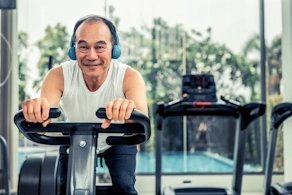
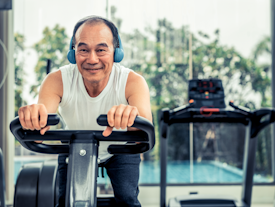
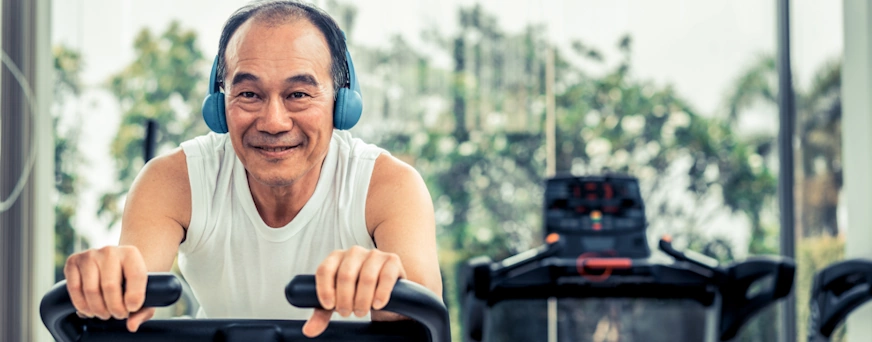
A steady bike works well too, especially with a backrest. Add music or a neighbour, and it feels lighter. Keep goals small at first, like ten minutes after breakfast. Then add five minutes every week, if your body feels fine.
Know your limits
Start with a warm-up for five minutes each session. March in place, roll shoulders, and move ankles in slow circles. Use the talk test during cardio, and keep speech easy. You should speak in full sentences without gasping or pushing.
When there are choppy words, speak slowly and take a break. In contrast, when it is too easy, increase it by one minute the next time. Take some water before and after, though you may not be thirsty. Take a slight rest, raise calves and hips.
Look out in case of sharp pain, or chest pressure, or sudden feeling of dizziness, and halt. Check also how you feel the next day and not just today. Minor pain is both normal, but the swelling of the joints is a red flag. Should you have heart problems, consult a family doctor on safe limits.
Consider strength training
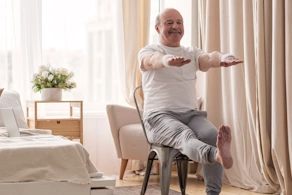
Strength training makes daily life easier, like stairs, laundry, and groceries. It also supports joints, because muscles share the load. Start with chair sit-to-stands using a sturdy chair that will not slide. Try wall push-ups, heel raises, and step-ups on a low stair.
Use light dumbbells, soup cans or resistance bands when prepared. Move gradually, be upright, and do not make jerky movements. Breathe the hard side, and never hold your breath. Attempt one or two groups of eight slow repetitions.
Take a day between strength sessions, and that way muscles rest. Maintain good form also in cases where the weight might feel light. In case a joint is injured by a movement, replace it with a simpler movement.
Incorporate balance exercises
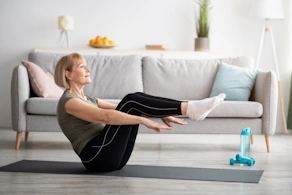
Balance work is small and noisy yet it will pay off quickly. Begin by a counter, and then your hand will have something to hold on to. Stand on one foot and count ten seconds, and then change feet.
In case that is difficult, use one toe on the floor to support. Walk slowly on heels down a passage, as a slow line on the ice.
Add gentle head turns while walking, because real streets distract you. Step over a rolled towel to train foot lift and clearance. Practise side steps along a wall, staying tall and looking forward.
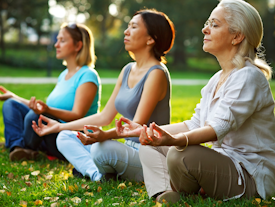
In addition, try tai chi classes at local centres for calm practice. Do balance drills three times a week, not only once. Even better, practise while brushing teeth, but keep a hand near the sink.
Get adequate sleep
Sleep makes your body fix, and therefore exercises are not rather difficult. When one is not getting enough sleep, aches become more audible and the mind becomes hazy.
Stick to a regular bedtime and wake time even during weekends. Prepare the room, make it cold, dark, and quiet, as in a plain cave.
Do not drink caffeine after lunch either, as it can be hanging around all evening. Store screens early, or at least turn down screens and close sound. In case naps are the solution, make them brief for about twenty minutes.
However, when you are awakened due to pain, attempt mild stretches and inhale slowly. Balance, mood and more consistent decisions the following day are also facilitated by good sleep.
Benefits of exercising in seniors above 60 years
Regular exercise helps you stay independent, and that feels real. It supports heart health and lung strength, also making errands feel easier.
Strong legs and better balance make winter sidewalks less scary in Canada. In addition, movement can lift mood, ease stress, and help you sleep more soundly.
- ⦁ Stronger muscles help you carry bags, climb stairs, and rise from chairs.
- ⦁ Better balance lowers fall risk on icy driveways, curbs, and bus steps.
- ⦁ Healthier bones can mean fewer serious injuries when a slip happens.
- ⦁ Improved stamina supports longer walks, easier chores, and less breathlessness.
- ⦁ Brighter mood and sharper focus can make social time feel calmer overall.
Conclusion
Safe exercise after 60 helps you stay strong, steady, and ready daily. Start small, then build time and effort in calm steps. Pick low-impact moves like walking, swimming, or chair strength work.
Warm up first, and cool down to ease stiff joints. Use safe shoes, good light, and clear floors at home. Listen to pain, rest when needed, and keep water close. Ask your doctor before making big changes, especially with health issues.
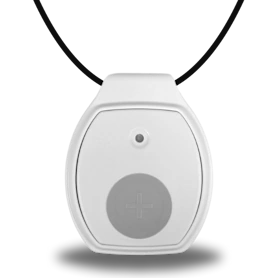
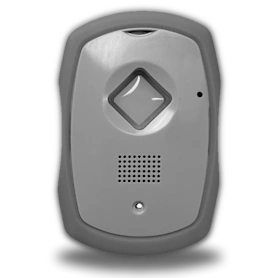
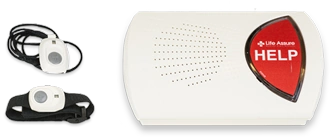
 Get Help With The Push Of A Button