

Back Pain Relief: Natural Methods vs Medical Treatments
Back aches can change a whole day, sometimes a whole week. One small twist, one long drive, and suddenly standing feels hard. In Canada, this often shows up after snow shoveling, desk work, or heavy lifting at home.
People want help that feels real, safe, and practical. Some start with gentle habits at home. Others need a doctor’s care, stronger treatment, or both.
The optimal plan will be based on the cause, the intensity of pain and the duration of symptoms. A smart combination of timing, comfort, movement and correct medical advice usually results in good back pain relief.

Life Assure Product Quiz
Take our 30 second quiz and discover which Life Assure medical alert device is the right fit for you or a loved one.

Life Assure Product Quiz
Take our 30 second quiz and discover which Life Assure medical alert device is the right fit for you or a loved one.
Natural Methods for Back Pain Relief
Natural care often works best when it is steady, gentle, and matched to daily life.
Physical Activity & Exercise
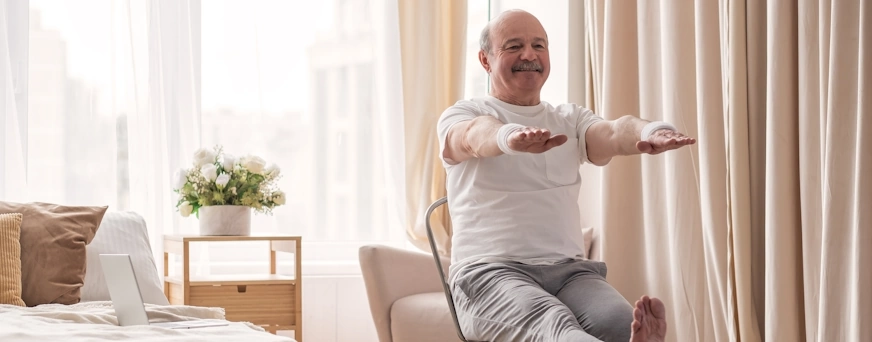
Rest is beautiful when you feel pain in your back. But excess rest can make stiffness worse. Light movement is useful in supporting the spine and keeping the muscles awake. It can be helped by walking, simple stretching, and easy core work.
A good routine may also improve posture and reduce repeat flare-ups. This is why tailored exercise is often a first step. One person may need gentle flexibility work.
Another may need posture retraining or slow strength building. In real life, the best plan is the one you will actually keep doing on cold mornings, busy weekdays, and weekends too.
Heat and Cold Compressions
Heat and cold are simple tools, but they can be surprisingly useful. Heat often feels best for tight, sore muscles. It can make the area feel looser and calmer. A warm pack after a long commute or a stiff sleep can bring comfort fast.
Cold can help settle fresh irritation, especially after a strain or sudden flare. Some people switch between both and learn what suits their body.
It is a safe, easy method that helps you move again without making pain worse. For many people, home care plus warmth is enough in the early stage.
Lifestyle Adjustments
It takes more than one big solution to make a sore back feel better. Everyday decisions come into play here. To take less weight in the grocery bag, twist both hands, and not twist awkwardly may help keep the spine healthy.
Weight control can also lead to pressure reduction on the back in the long run. Diet also counts, particularly when daily meals are more inclined towards processed, high-sugar foods. Smoking may also decrease healing and aggravate pain.
Moreover, individuals tend to perform better in situations where they observe the patterns. Do you experience back pain after vacuuming, sitting or picking up laundry baskets? That clue matters. The same story of pain can be avoided every month through lifestyle changes.
Medical Methods for Back Pain Relief
Medical treatment becomes more important when pain lasts, spreads, or limits normal movement.
Medication
Medicine can help, but it should fit the kind of pain you have. Some people do well with anti-inflammatory drugs. Others may need a muscle relaxant for short-term spasm relief. Topical pain products can help when the pain is more local.
In some cases, a doctor may use other medicines that target chronic pain pathways. Strong opioid medicines are not usually the first choice for long-lasting back pain. They may be used only for a short time and under close supervision.
This is because side effects, dependence, and dose escalation are real concerns. Good prescribing aims for the lowest effective dose and the shortest useful duration. In many cases, medication works best alongside movement.
Radiofrequency Ablation
Radiofrequency ablation is used when the painful area is better understood and a targeted nerve is involved. A thin needle is placed near the problem area. Then radio waves are used to damage nearby nerves, which interrupts pain signals going to the brain. It is not for every sore back.
It is usually considered after more basic treatments have not helped enough. For the right person, though, it may reduce the pain that keeps returning. It is a procedure, not casual care. So careful assessment matters first. On the other hand, for persistent pain linked to a clear source, it can offer another option before major surgery enters the picture.
Surgery
Surgery is usually the biggest step, and doctors do not rush to it lightly. It tends to be reserved for certain structural problems or warning signs. This can involve the development of progressive weakness, pain along the leg, or severe alterations to balance or bowel and bladder management.
Surgery can be used when imaging reveals an obvious problem and other methods have been used but have been of no use. Nevertheless, it is permanent, intrusive and not a sure-shot remedy to the pain. Some people imagine surgery as the final magic answer.
Sometimes recovery is long, and the result is less complete than hoped. The decision should feel careful, not pressured. For many patients, surgery belongs at the end of the road, after safer and more conservative options have truly been tried.
Key Differences between Natural and Medical Treatments
Both paths can help, but they differ in pace, risk, purpose, and how directly they target the problem.
Speed of Relief
Natural care is often slower, though still useful. Exercise, posture changes, and pacing build benefits over time. Heat may help quickly, but usually in a temporary way. Medical treatments can act faster. Medication may dull pain sooner.
Procedures may target signals more directly. Surgery, of course, aims at structural issues, though recovery may take time. So faster does not always mean easier. Slower does not always mean weaker. It depends on the goal.
Risk and Safety Levels
Natural approaches tend to be less risky when pursued in a sensible manner. Light walking, cautious stretching and improved lifting patterns seldom involve a significant risk.
Medications may lead to stomach upsets, and drowsiness among other things. Surgeries are more medically risky. This does not render them bad. It simply implies that the trade-off is larger.
Suitability for Different Conditions
Moving, heating, and smarter habits could work well against a mild strain that develops after yard work. As part of chronic pain, associated with nerve irritation, it may require more than natural remedies.
Sharp pain, along a leg, and growing weakness, or severe red-flag symptoms, should not be treated like a sore muscle. Here medical assessment is the most important. The appropriate treatment is determined by what is causing the pain.
Treatment Approach
Natural treatment supports the body over time. It focuses on function, strength, routine, and preventing flare-ups. Medical treatment often steps in when symptoms are stronger, longer, or more complex. It may target inflammation, nerves, or spinal structures more directly.
The strongest plan is often not one side versus the other. Start simple when safe. Escalate when needed. This is usually the most sensible road.
Conclusion
Finding the right path takes patience, honesty, and attention to your body. You may feel better with gentle habits or need stronger medical care. Good back pain relief often starts with small steps and clear choices.

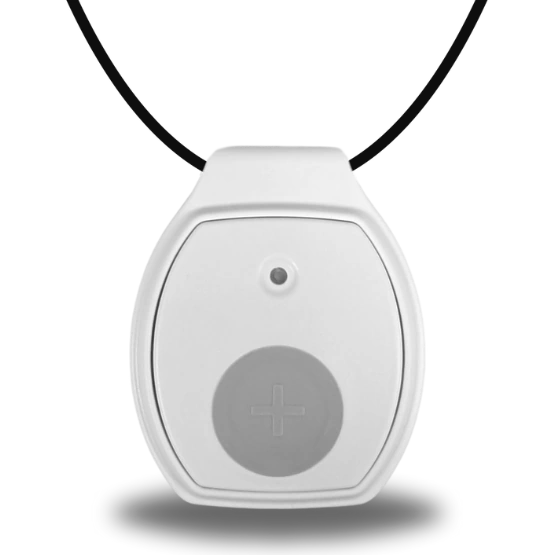
 Get Help With The Push Of A Button