

The Ultimate Cholesterol Guide For Seniors
People aging become more vulnerable to several diseases, and one such is high cholesterol. Proper cholesterol management is required to be done as it has the potential to disrupt metabolism and cause severe heart conditions, especially among seniors.
So, when it comes to maintaining good lipid levels or cholesterol levels, it's not just about ticking off the laboratory parameters only. It involves several other factors that matter in the long run. It is rather about preserving the health of your heart in the long run.
As individuals enter the 60 age bracket, an elevated cholesterol level increases the risk of heart conditions. Therefore, active monitoring becomes essential.
In this cholesterol guide for seniors, both good and bad cholesterol concepts will be explained. Moreover, dietary regulations, exercises, medicines, and even high cholesterol due to genetic predisposition will be explained in detail. All these concepts will help elderly people to properly manage their cholesterol without causing deterioration to their health.
Key Takeaway:
Seniors should regularly monitor cholesterol to reduce heart disease, stroke, and dementia risks. So, they must:
- Maintain balanced LDL, HDL, VLDL, and triglyceride levels through regular tests and proper lifestyle management.
- Have heart-healthy foods, exercise, opt for stress control, and avoid smoking or alcohol support cholesterol regulation.
- Familial hypercholesterolemia requires early diagnosis and medical treatment for better long-term heart health.

Life Assure Product Quiz
Take our 30 second quiz and discover which Life Assure medical alert device is the right fit for you or a loved one.

Life Assure Product Quiz
Take our 30 second quiz and discover which Life Assure medical alert device is the right fit for you or a loved one.

Understanding Cholesterol
With rising awareness about cholesterol management, this cholesterol guide for seniors will explain the actual clinical concept behind it. So, seniors can comprehend what they are going to deal with.
In a nutshell, cholesterol is a fat-like substance that is already present in your body. However, you can also get it from different foods that you eat. Cholesterol can be found in plenty of animal foods. Lipoproteins (LDL and HDL), made up of proteins and fat, carry cholesterol and triglycerides into the body after eating these foods.
When your body shows high levels of cholesterol and triglyceride, then your heart, brain, and total metabolism are at stake.
Therefore, you may develop several heart conditions and have a risk of developing different types of dementia, especially Alzheimer's.
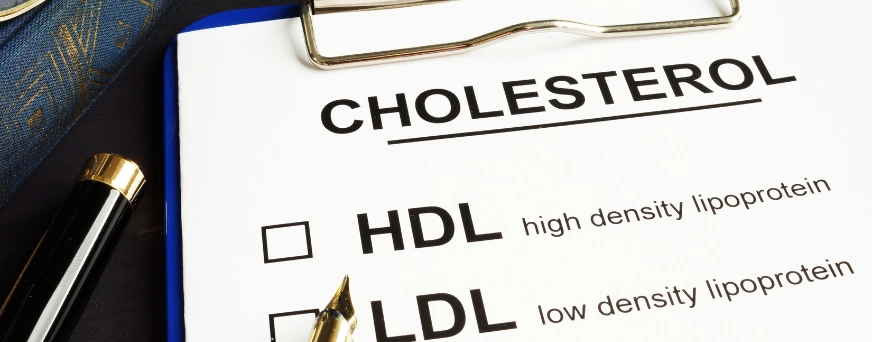
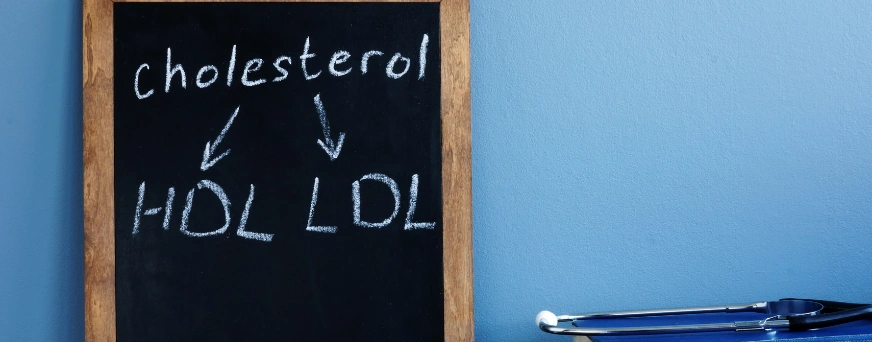
HDL means high-density lipoprotein, which is coined as good. LDL is low-density lipoprotein, coined as bad. The function of HDL extends to restricting LDL from damaging the artery walls. Therefore, it minimizes the buildup of plaques and decreases the possibility of heart disease and stroke.
Why is cholesterol regulation important for seniors?
Cholesterol management is something that you should start since you are in your 20s. After 60, the goal shifts into a different paradigm.
For seniors, high cholesterol and atherosclerosis are the primary risks. One notable risk factor is plaque buildup. It is a slow process that starts when you are young, and if not kept in check, it progresses with age.
By the time an individual is in their 60s or has even crossed the bar, their arteries have a high level of cholesterol accumulation. This makes them much more susceptible to heart conditions.
Furthermore, seniors or elderly people can also struggle with several other health diseases. This doubles their vulnerability to heart conditions. Commonly, it is observed that elders are already battling with multiple chronic conditions like high blood pressure, diabetes, or even obesity.
All these conditions increase the risk of developing complicated heart conditions. The lack of cholesterol management leads to a heart attack or stroke that takes a severe toll on the health of an older person.
Seniors usually need a much longer time for recovery, and in some cases, they may not be able to recover from a severe attack as well. Besides daily mobility challenges, leads to a significant decline in quality of life.
So, it’s important to follow a proper cholesterol guide for seniors to maintain the LDL and HDL levels. Always check its level and address the associated problems early to minimize the possibilities of cardiac arrest and other complicated heart conditions.
What cholesterol levels are tested?
Before you thoroughly follow the cholesterol guide for seniors, it is advised for checking your current cholesterol level. To know the types of cholesterol levels that need to be tested, check the below parameters.
- Total cholesterol: This denotes the whole amount of cholesterol present in your bloodstream.
- LDL or Low-density lipoprotein: It is called bad cholesterol as it affects your arteries.
- VLDL: It is called very low density lipoprotein. It is extremely harmful for your health if you have an excessive level of VLDL.
- HDL: It is called high density lipoprotein and is considered effective for your health because it transports excessive cholesterol from all parts of the body to the liver for systemic excretion.
Doctors check cholesterol levels in the body through a lipid panel, simultaneously measuring triglyceride levels.
What are normal cholesterol levels?
Below is the cholesterol guide for seniors with normal cholesterol levels.
- Total cholesterol < 200 mg/dL
- LDL cholesterol < 100 mg/dL
- VLDL cholesterol < 30 mg/dL
- HDL in older men < 40 to 80 mg/dL and in women < 50 to 80 mg/dL
- Triglyceride level (< 150 m/dL)
You must maintain the above levels, but also consider the factors discussed below.
- If you are already dealing with heart conditions or have been diagnosed with several risk factors, then your LDL target needs to be even lower. As per the doctor's recommendation, it is required to be below 70 mg/dL.
- HDL is one such cholesterol level that doctors always aim to be in the normal level range and above. In any circumstances, if your HDL is between 60 and 80 mg/dL, then the risk of heart disease development is lower. But if your HDL is more than 80 mg/dL, it indicates extremely high levels, which is unhealthy for seniors.
- HDL has only gender specific differentiation, so female older adults have more HDL than males.
What are high cholesterol levels?
Our cholesterol guide for seniors suggests that if you have high cholesterol or hypercholesterolemia, it means that the results of your lab report are greater than 200 mg/dl.
Total Cholesterol
- When the results of your lab report fall in the 200-239 mg/dl range, you are in the borderline high cholesterol state.
- When 240 is surpassed, it is considered high.
LDL Cholesterol
- It will be above optimal if it lies between 100 and 129 mg/dl.
- It will be borderline high if it is between 130 and 159 mg/dl.
- If high, then the LDL level is 160 to 189 mg/dl.
- It’s very high, if it's 190 mg/dl or higher.
- For VLDL cholesterol, if it is 30 mg/dl or more, the level is high and harmful.
Symptoms
Although it does not cause any direct symptoms, it develops heart conditions resulting in chest pain, jaw pain, shortness of breath, and nausea. If all these happen fast and all of a sudden, you need immediate medical attention.
Causes
In this cholesterol guide for seniors, you are going to know the primary causes of increasing cholesterol.
- Excessive smoking and drinking
- Eating saturated and trans fat foods
- Have a genetically driven factor
- Your cholesterol levels can see changes if you have antipsychotics, antiepileptics, and anabolic steroids.
- Also, chronic conditions such as PCOS, sleep apnea, HIV, thyroid conditions, obesity, diabetes, or kidney diseases interfere with cholesterol levels.
Conditions associated with Hypercholesterolemia
If you have high cholesterol, this cholesterol guide for seniors is ideal for you. You’ll learn what conditions your body is prone to.
Hypercholesterolemia is a risk factor that is most commonly found in seniors who develop coronary artery disease. In this condition, plaques are developed within the arteries of the heart. This results in chest pain and blockages.
You can also develop myocardial infarction, or in layman's terms, cardiac arrest. If a plaque ruptures, then blood clots are formed. Therefore, these clots obstruct blood flow to the heart muscles completely.
You are also likely to develop peripheral artery disease, where blood is unable to circulate to the legs and arms.
When seniors have hypercholesterolemia, it is often compounded with other chronic metabolic and endocrine conditions. With type 2 diabetes, the blood sugar lowers the HDL levels and raises the LDL levels, thus damaging the arteries.
In addition to this, you will also struggle with high blood pressure, high blood sugar, and obesity. Besides this, seniors are also vulnerable to fatty liver conditions. In this condition, a high level of fat accumulation in the liver leads to its inflammation and even develops scars.
What are low cholesterol levels?
Low cholesterol levels, also called hypocholesterolemia, is the condition where total cholesterol is less than 120 mg/dl and your bad cholesterol or low density lipoprotein is less than 50 mg/dl.
Either you may inherit the condition, or have developed it over the years due to inappropriate lifestyle conditions.
Symptoms
Some notable symptoms of this condition are fatigue, anxiety, mood swings, and it is often connected to thyroid and diabetes as well.
However, if you have genetically developed this condition, then you are most likely to develop certain symptoms discussed later in this cholesterol guide for seniors.
Causes
The genetic syndromes that are responsible for the occurrence of hypocholesterolemia in the first place include abetalipoproteinemia and Smith-Lemli-Opitz syndrome.
Apart from genetically driven conditions, Addison’s condition, extreme alcohol use disorder, cancer, pancreatitis, hyperthyroidism, kidney failure, liver conditions, sepsis, and HIV are associated with low cholesterol levels.
Conditions associated with Hypocholesterolemia
If you have this condition, then you are most likely to develop carotid artery disease (blood is unable to circulate to the brain), hemorrhagic stroke, and cognitive decline.
Hypocholesterolemia can lead to moderate dysfunction in your liver or a fatty liver condition. You may also face problems in the healthy functioning of your brain, liver, muscles, eyes, and bones.
Clinical studies have confirmed that there is a connection between extremely low cholesterol and a decreased rate of serotonin receptors that impact brain regulation. High cholesterol increases the susceptibility to ischemic stroke, but with very low levels of cholesterol, it is associated with an increased risk of hemorrhagic stroke, which means bleeding in the brain because of damaged blood vessel walls.
Doctors have also confirmed that there is a notable interconnection between low cholesterol and dementia among seniors, as the brain faces a deficiency of cholesterol in adequate amounts, causing impaired synaptic plasticity.
How often should I get my cholesterol checked?
Having a complete conception of good and bad cholesterol levels is significant, but you need to know a lot more for complete cholesterol management, especially among seniors.
You need to actually keep track of your cholesterol level every 1 in 3 to 4 months, especially if you have crossed the 60 age bar. It helps you create an optimal cholesterol guide for seniors and follow it diligently.
Some core parameters are there that determine how often you need to check your cholesterol level. Apart from age, your family history matters, too. It means that if any of your close biological family members have a high level of cholesterol or have a history of several heart complications, including cardiac arrest, then you are also susceptible.
Even if your family does not have this condition, but you are diagnosed with any heart condition, then high level cholesterol risk factors increase. So go for tests and keep your cholesterol level normal.
One thing that goes beyond age, heart conditions, vulnerability, and family lineage is gender. Older men are more susceptible to developing cholesterol than older women.
Thus, apart from seniors, men aged 45 and older should always test their cholesterol level at least once every 2 years. For women, the testing frequency is similar, but the age bar is 55 to 65 years.
When Cholesterol May Matter Less?
Cholesterol management is inevitable. But yes, aggressive management is not always welcoming. At times, when your body is up against multiple persistent conditions like HIV or stage 4 cancer, aggressive cholesterol management takes a toll on your body’s strength.
So, when you are experiencing extreme pain in your muscles or facing general weakness due to medication side effects or chronic illnesses, you can loosen the leash on the cholesterol control mechanism a little.
However, complete ignorance of cholesterol management is not advised; just maintain comfort, safety, and regular mobility in your daily life.
Familial hypercholesterolemia
If your high LDL (low-density lipoprotein, also known as "bad cholesterol") level is hereditary, it is called familial hypercholesterolemia. With LDL, you have the risk of coronary artery disease even before you turn 30. With aging, it will massively deteriorate if not treated appropriately.
In most cases, people are not aware of the condition, so if you see anyone in your family who has this condition, go for a check-up, as you have a high probability of developing the condition.
If the result is positive, start treatment immediately and follow our cholesterol guide for seniors to effectively manage the condition.
Types of this condition
Broady divided this cholesterol condition into two types.
- If either your mother or father has a cholesterol autosomal variant, then you will develop heterozygous familial hypercholesterolemia.
- But if both your mother and father have cholesterol variants, then you will develop homozygous familial hypercholesterolemia. It is a rare kind of genetically driven controlled condition. Only 1 in 3 to 4 lakh population develops it, but it is extremely detrimental to health.
Symptoms and Causes
Besides normal cholesterol symptoms, you also develop some other symptoms in this condition.
These include Xanthomas, where yellow colored fatty and waxy deposits appear on hands, elbows, knees, and Achilles tendons.
If you have yellow colored deposits around and on your eyelids, it is called Xanthelasma. You can also see white or gray colored rings around your cornea called corneal arcus.
Complications of this condition
One thing that is common to all conditions and perfectly fits here is early treatment intervention, which notably minimizes the risk of the condition, especially for seniors. With age, as you are likely to develop other clinical conditions, controlling your cholesterol adds more advantage to your health.
So, if you have familial hypercholesterolemia, then atherosclerosis and plaque development are common. Besides, aortic aneurysm, peripheral artery condition, aortic valve disease, and stroke are widely associated.
Diagnosis and Tests
Lipid panel blood tests are conducted to measure cholesterol levels. But in cases of genetically driven conditions, DNA testing is also done.
Management and Treatment
In this cholesterol guide for seniors, we have put forth the different medications doctors mostly prescribe for familial hypercholesterolemia.
- Prescribing statins is the first line of therapy here. For seniors, doctors usually prescribe a mild dosage of statins for monitoring myalgia or managing cognitive health.
- Ezetimibe is also prescribed along with statins to reduce the absorption of cholesterol in the small intestine. It is widely prescribed to seniors as it does not have high-level side effects.
- PCSK7 inhibitors are also highly efficient for managing this condition. These are for seniors who have not shown positive tolerance to statins.
3 Best Cholesterol Management Techniques
Whether you have genetically developed cholesterol or general cholesterol conditions, the management techniques thrive on 3 pillars: healthy foods, exercise, and lifestyle modifications.
In the cholesterol guide for seniors, we have used a combined approach to help you manage cholesterol to its core.
Eat Heart-Healthy Foods
Cholesterol has a high impact on your heart condition, so eating foods that keep your heart healthy is important.
Whole Grains
If you have not yet transformed your diet with whole grains from breakfast to dinner, then do it immediately. Add oats, barley, and brown rice to your diet as they have soluble fiber that helps in the rapid absorption of fiber in your blood. As per Canadian health regulations, increasing fiber consumption is good for your heart.
Nuts and Seeds
Unsaturated fats, fiber, and plant sterols are particularly beneficial and present in several kinds of nuts, such as Almonds, walnuts, and Brazil nuts. Daily consuming proportionate amounts of these nuts will take down your high LDL levels.
Beans
These are one of the main sources of soluble fiber. These fibers bind cholesterol in the digestive system and eliminate it from the body before it gets into the bloodstream. Lentils and split peas are also a good source of fiber, which is equally beneficial for the digestive system of elderly people.
Plant Oils
With high cholesterol, you are strictly banned from having butter or cream. Instead, cook food in plant oils such as olive oil or flaxseed oil, as they notably decrease the bad cholesterol level.
Fruits and Vegetables
This is the most common category of food that tops every Canadian dietitian's cholesterol management nutrition chart. So, eat fiber-rich fruits and vegetables such as apples, broccoli, carrots, peas, and citrus fruits.
Regularly Practice Moderate-Intensity Activities
In addition to eating a well-balanced diet, moderate-intensity exercise on a daily basis helps to keep cholesterol under control. It keeps your heart rate in check, circulates blood properly, reduces LDL, and even boosts HDL.
Cardio Exercises
The Canadian Society for Exercise Physiology advises that daily 15 minutes of moderate to high-end cardio can have a positive impact on cholesterol levels.
- The ideal amount of brisk walking each day is about 20 to 25 minutes. It helps keep heart, cholesterol, and diabetes levels under control.
- If you're able to ride a bicycle without pain in your joints or other bone-related issues, then do it for at least 15-20 minutes.
- In addition, do mild jogging or running daily, as this helps keep cholesterol levels under control.
Non-Exercise Activity Thermogenesis (NEAT)
Researchers have found that home chores like cleaning, walking on the stairs, etc., which are performed in the home on a daily basis, give better results. Apart from this, there are also some moderate and easy exercises like foot-tapping that help you to burn calories and maintain cholesterol levels.
Swimming and Group Activities
These are gentle exercises that won't stress your joints but are very beneficial to your heart. Swim 30 minutes a day, and it will improve your heart health.
You can also opt for moderate-intensity dance classes like Zumba for group activities. It also yields cardiovascular benefits for seniors. There are many community centers in Canada offering Zumba classes to seniors.
Make Good Lifestyle Adjustments
Below are some modifications that seniors need to make in their lives if they are susceptible to cholesterol.
Don't Smoke or Drink
Prolonged nicotine inhalation has an adverse effect on your heart. It causes plaque to form in your arteries and raises LDL cholesterol. If you drink frequently, it also affects your cholesterol as it instigates the development of triglycerides that are responsible for weight gain.
Develop and Maintain a Healthy Weight
For both men and women, it's essential to have a healthy weight to control cholesterol. Too much fat isn't good because it works as a metabolic trigger to raise bad cholesterol and lower good cholesterol. Hence, it raises the chances of heart related issues.
Ideally, the weight of older men should range between 150 and 190 lbs, and for women, it should be around 120 to 160 lbs.
Use Stress Management Skills
The more stress that builds up, the more cortisol and adrenaline hormones are released, leading to bad cholesterol build-up. Therefore, do exercise, yoga, and meditation daily to control stress.
Cholesterol, a widely known clinical aspect in our lives, is still not prioritized. Individuals do not realize that the dangers of not controlling cholesterol are greater than they can even imagine. In fact, it's an issue that you should address while in your 20s so as to avoid serious heart complications after you reach 60 years of age.
Thus, by following the tips mentioned above in the cholesterol guide for seniors with a focus on leading a heart-healthy lifestyle and routine check-ups, it's possible to keep a positive cholesterol level. This makes sure that your later years in life are full of vitality and wellness instead of health-related restrictions.
Sources:
1) Professional, C. C. M. (2025, December 3). Cholesterol levels. Cleveland Clinic. https://my.clevelandclinic.org/health/articles/11920-cholesterol-numbers-what-do-they-mean
2) Shay Martin, S. (n.d.). Older adults and high cholesterol. Johns Hopkins Medicine. https://www.hopkinsmedicine.org/health/conditions-and-diseases/high-cholesterol/older-adults-and-high-cholesterol-what-you-need-to-know
3) Managing cholesterol. (n.d.). Heart and Stroke Foundation of Canada. https://www.heartandstroke.ca/heart-disease/risk-and-prevention/condition-risk-factors/managing-cholesterol
4) Lifestyle Changes To Improve Cholesterol. (n.d.). MayoClinic. https://www.mayoclinic.org/diseases-conditions/high-blood-cholesterol/in-depth/reduce-cholesterol/art-20045935
5) How To Control Cholesterol. (n.d.). American Heart Association. https://www.heart.org/en/healthy-living/healthy-lifestyle/lifes-essential-8/how-to-control-cholesterol-fact-sheet
Disclaimer:
The information provided in this guide is for educational purposes only and is not intended as a substitute for professional medical advice, diagnosis, or treatment. Always seek the advice of your physician or other qualified health provider with any questions you may have regarding a medical condition.


 Get Help With The Push Of A Button