

Coordination Exercises For Seniors (8 Simple Moves)
With age, various abilities can decline. This includes basic coordination abilities such as maintaining balance, flexibility, and strength. The human body changes in different ways, such as the visual, vestibular, and proprioceptive systems. This can lead seniors to a situation where they need to depend on other people to perform simple regular activities.
But if you don't want to depend on other people, you need to practice exercises that help improve your mind-body coordination. Several coordination exercises help maintain these skills and also reduce the risk of falling and other challenges.
Integrating agility and balance exercises into regular workout routines is the fundamental rule to enhance coordination among older adults. Seniors can perform these exercises to improve their coordination level between eyes and hands, eyes and feet, hands and feet, or a combination of all three. In this article, several exercises are stated that help improve coordination levels among seniors and how they can perform them comfortably at home without joining a gym or any workout unit.
Key Takeaways
Coordination exercises for seniors aim to improve and mobilize motor skills simultaneously.
- Regularly practice these 8 coordination moves for better agility.
- Gradually increase the intensity of your exercises as per your comfort and precision level.
- 15-minute workout sessions are ideal for seniors to work on body balance, flexibility, mobility, muscle strength, and coordination.

Life Assure Product Quiz
Take our 30 second quiz and discover which Life Assure medical alert device is the right fit for you or a loved one.

Life Assure Product Quiz
Take our 30 second quiz and discover which Life Assure medical alert device is the right fit for you or a loved one.

What is coordination?
Coordination is the capability of individuals to execute smooth, accurate, and controlled motor responses. It means using the right muscle at the right time with appropriate intensity so that the task can be done properly. When you can monitor speed, distance, direction, timing, and muscular tension simultaneously without failure, then it is called coordinated movement. Alongside maintaining your well being, it is important to maintain independence. Therefore, doing exercises, especially during the golden years, helps in maneuvering regular activities effectively.
Motor coordination is highly essential for older adults to perform simple and complex tasks such as walking, cleaning, eating, or even climbing up the stairs. It seems an easy task to open a bottle, but when you consider hand and eye movements, it becomes clear that this activity requires advanced motor coordination. In a nutshell, coordination exercises for seniors aim to improve the symmetry across multiple muscle groups for performing desired actions.
Differences between Coordination and balance exercises for seniors
Balance exercises focus on balancing the inner ear vestibular system, joint sensors, along with the core and lower body stabilizer muscles.
On the other hand, coordination exercises emphasize timing, sequence, and synchronizing multiple muscles. These exercises help improve motor skills to execute seamless, purposeful movements requiring hand eye tracking, reflexes, and spatial awareness.
Balance acts as the foundation, stabilizing the ankles, hips, and core muscles while training the brain to control postural shifts. Coordination is built on this foundation, ensuring seniors can prevent accidents by bringing harmony between limbs and eyes.
When you combine both of these exercises, you prepare a proper, comprehensive fall prevention exercise schedule. While balance keeps you stable in motion, coordination not only acts as a preventive measure but also supports dynamic recovery when an accident occurs.
Some core differences between balance and coordination exercises are:
| Feature | Balance Exercises | Coordination Exercises |
|---|---|---|
| Aim | Maintaining stability and posture | Help in synchronizing complicated timed movements |
| Neurological drive | Vestibular, proprioceptive, and visual alignment | Cerebellar timing, motor control, and visual tracking |
| Pattern of movements | Simple static movements with steady weight shifts | Dynamic with multi-directional sequences |
| Physical demands | Focus on stabilizing joints and core muscles | Brings agility and rhythm to your daily movements |
| Help in daily life | You can stand up straight without joint pain or wobbling. You can even stand in line safely without any risk of accidental falls. | Move around narrow spaces or crowded rooms without tripping, catch or carry multiple items while walking, or climb up the stairs. |
8 simple coordination exercises for seniors
Practicing these coordination exercises at least two times every week can help older people monitor the action of their muscles, joints, and nervous system. Rather than developing strength alone, they support the body to respond more smoothly to shifts and changes in direction.
By emphasizing a controlled environment and consistency, seniors can improve stability in ways supporting their independence.
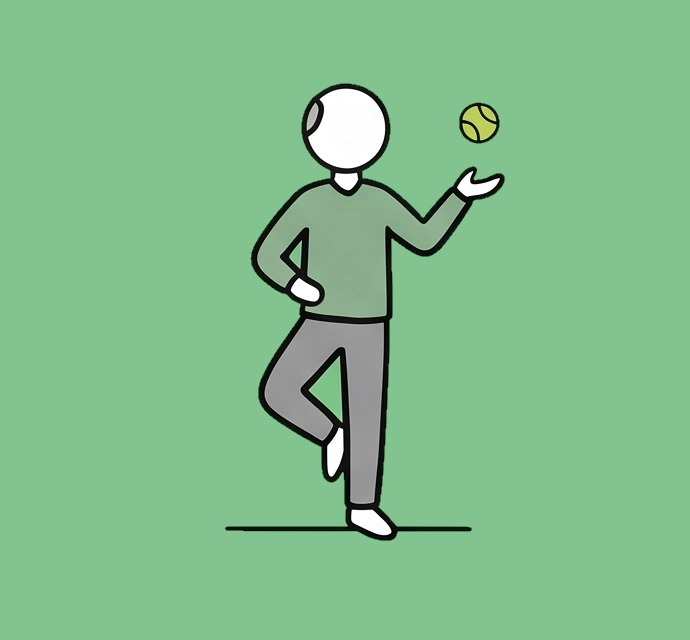
1. Standing Balance with Ball Tosses
This move is a dynamic stability exercise that trains the core, legs, and brain to react to the external movement while you stand straight. Alongside this, it also improves your eye and hand coordination.
- If you are a novice, then keep both your feet on the ground.
- But if you have practiced these exercises for quite a while, then slowly change your position. Balance on one leg with the other leg lifted at 90 degrees parallel to the hip and knee.
- While your legs maintain the dynamic posture, slowly juggle tennis balls in your hands. Make sure your eyes follow the ball.
- Complete a set with one leg balancing from 5 to 10 seconds.
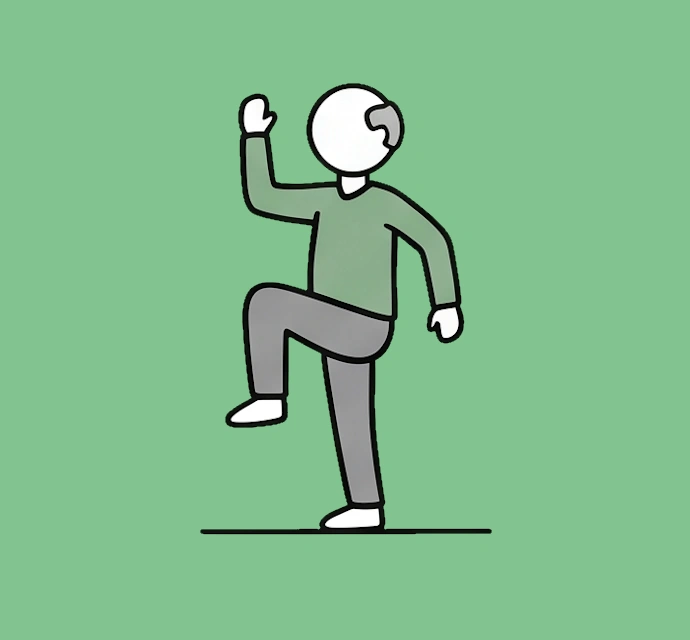
2. Contralateral and Ipsilateral Marching
It is one of the best exercises for balance and coordination to improve symmetry between hands and legs that seniors usually face problems with.
- In contralateral marching, you need to raise your right arm over the head and, while doing so, slowly lift your left leg, parallel to your hip.
- If you feel discomfort in lifting your left leg this high, then do it as per your own comfort.
- Hold the position for 3 to 5 seconds and then come back to the original position.
- After that, lift your left arm over the head and while doing so lift your right leg in parallel with your hips or as per your capacity.
- Now, in Ipsilateral marching, the actions are almost the same, but when you are lifting your right hand, then instead of lifting your left leg, raise your right leg only.
- Hold this position for a couple of seconds, then repeat the same format with your left hand and left leg.
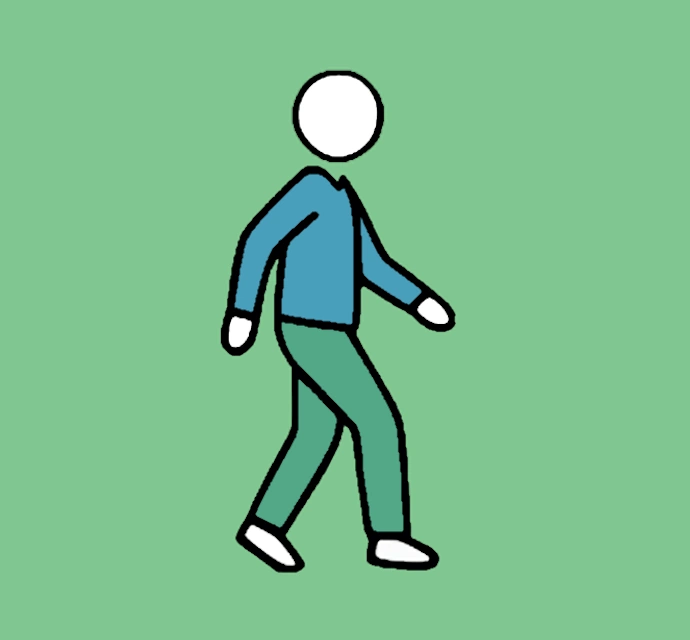
3. Walk, Toss and Catch
Out of several coordination exercises for seniors, this move has gained attention because here you can maintain three actions simultaneously: eyes, hands, and legs.
- You need to walk back and forth while you are bouncing a tennis ball.
- If the ball has bounced too far, then give more effort to catch the ball, but try not to miss it. However, while doing so, be aware that you do not fall accidentally or sprain.
- By practicing this exercise, you can shape your quick reflexes.
- Perform the exercise 3 to 5 times, but before completing, if you feel exhausted or have any kind of discomfort, then stop it.
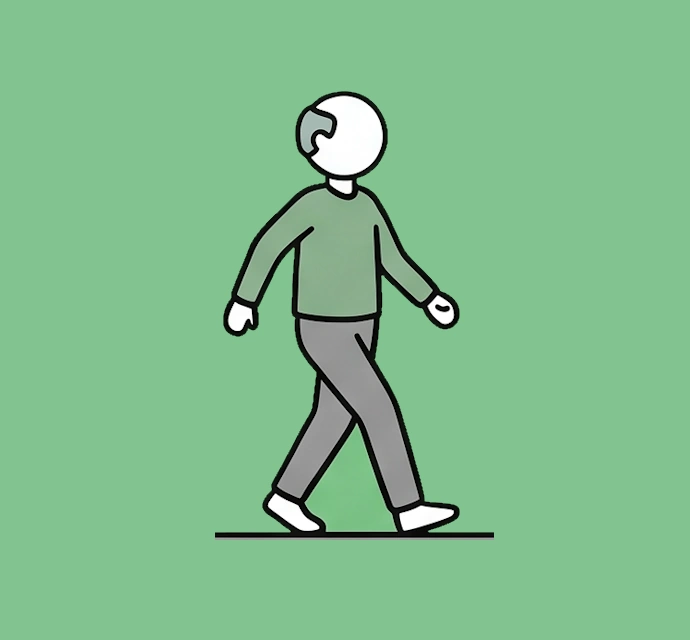
4. Sideways walking
In this exercise, you need to perform 10 steps in each direction. Or, you can also step from one side of the room to another.
Start slowly, and if possible, increase the number of steps; otherwise, do not pressure yourself.
- First, you need to stand with your feet together and your knees slightly leaned forward.
- Then, slowly step sideways in a controlled manner. Put your other foot outward in the side and bring the other foot to meet it.
- However, make sure, while doing the exercise, you do not drop your hips.
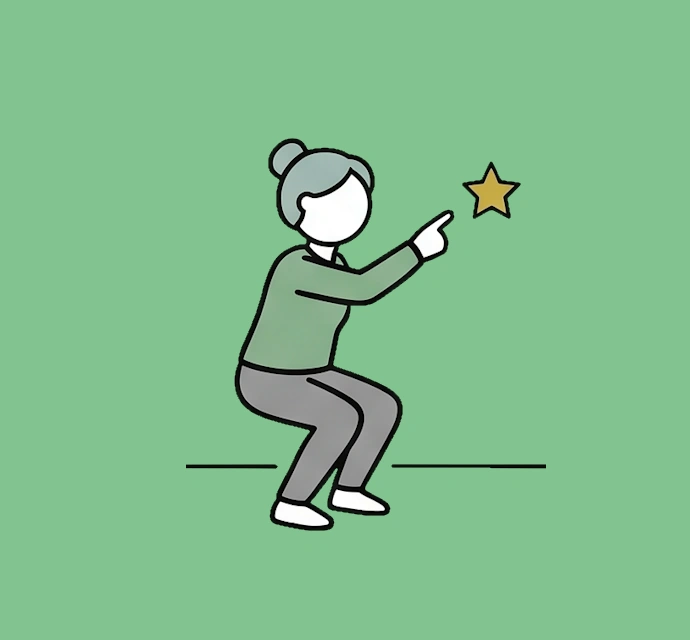
5. Squats with Focal Point Challenges
This workout is one of the best exercises for balance and coordination, which also helps in improving visual focus and spine alignment.
- First, stand straight and keep a distance between your legs identical to the distance between your hips.
- Then try to lift your hands to your shoulder level, extend your wrists, and keep your fingers facing towards the ceiling.
There are two ways you can execute this whole workout session.
Way 1:
- First, find a focal point (a singular dot on a surface plane where you acutely focus) on the wall or on the floor.
- Then try to perform a squat while making sure your right hand moves to the other side of the body, and also do not take your eyes off the focal point.
- After a couple of seconds, slowly return to the original standing position.
- Then, perform all these similar movements on the left side.
- While doing the squat, move your left and right hands.
Way 2:
- Replace the focal point with moving fingers, where you move your head from one direction to another, like a pendulum, while maintaining the posture.
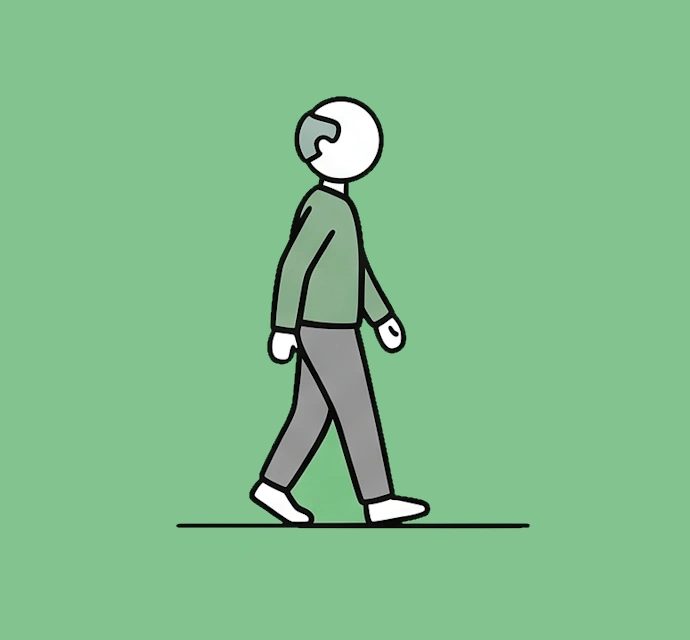
6. Heel to toe walk
It is one of the significant exercises for balance and coordination, narrowing your base of support to engage your core and lower body muscles and improve stability. Try to perform at least 5 steps in one round.
- First, stand straight on a flat surface.
- Directly place your right ankle or heel on the ground just in front of your left toes.
- Try to stand in this position properly.
- After that, come back to the first position (both feet joined together laterally) and take some rest.
- Repeat the same pattern with your left ankle in front of your right toes.
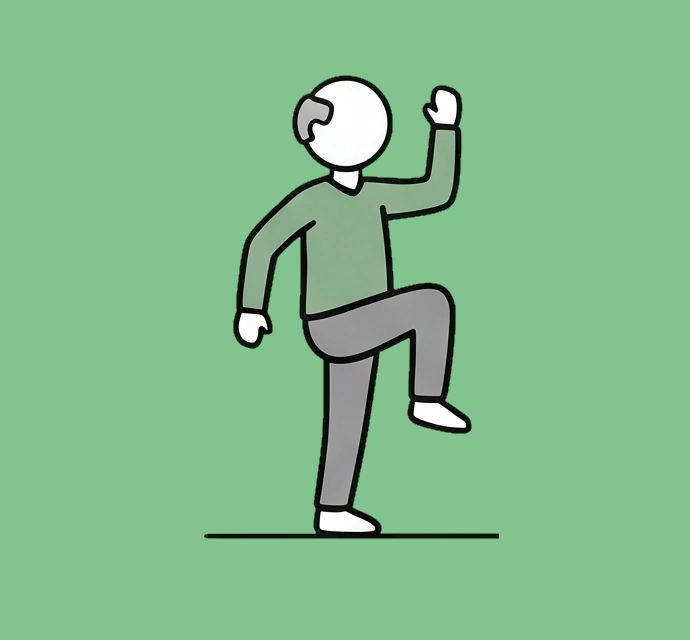
7. One-leg stand
It is also a simple and effective coordination exercise that builds ankle stability, leg strength, and core balance. Try to do it 3 times regularly.
- Stand comfortably while facing the wall.
- After that, slowly stretch your hands and make sure that the tips of your fingers touch the wall.
- Staying in this position, now lift one foot at the level of your hips and then slightly bend your other knee.
- After that, slowly and steadily put your leg on the ground.
- Repeat this whole format on the other side.
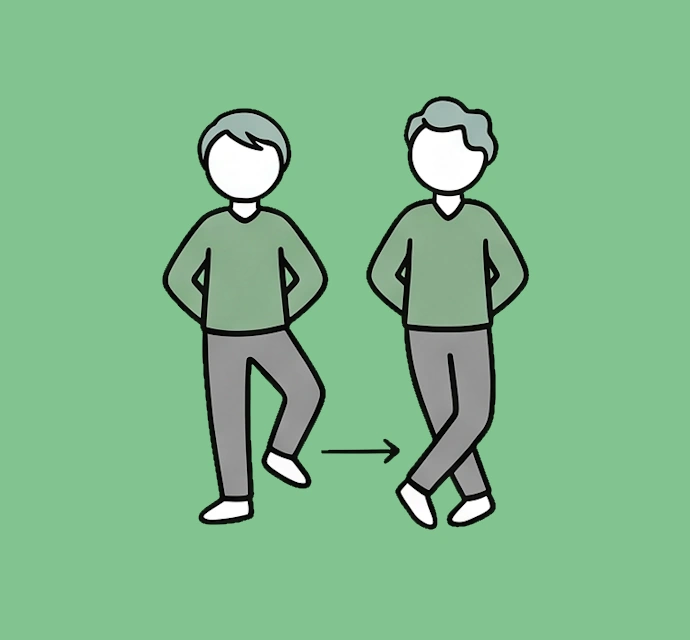
8. Simple Grapevine
For this exercise, try to finish 5 crosssteps on each side at once, but if you feel it's becoming uncomfortable or unstable, then do not continue.
- First stand straight, then cross your right leg over your left one.
- After that, bring your left leg beside the right leg.
- Continue the exercise for a couple of seconds.
- Also, you can put your hand on the wall or any flat surface for support.
- Always remember that smaller steps can help you improve your balance. So, after a while, start doing another set slowly and steadily.
Significant Progression dimensions of Coordination Exercises for seniors
Progression ideas for coordination exercises involve making them advanced so that these sessions become gradually challenging as the body adapts. Thereby, the main motto of these progressions is to improve coordination among seniors. But while making these changes, specific variables need to be safely incorporated that can improve balance, flexibility, and cognitive processing without causing any injury.
Beginners level
Emphasize developing baseline stability, static alignment, and gaining confidence in doing the activity on your own.
- Surface and position: Choose a flat, non-slippery floor. Stand with your hips a wide distance apart.
- External support: It's better if you stand in front of a countertop, chair, or wall during the session.
- Movement Dynamics: Make simple shifts in standing position.
- Core Drills: Practice sideways, forward, and backward shifting and gentle heel to toe tap movements.
Intermediate Level
This focuses on improving agility while moving flexibly in narrow areas through learning dynamic shifts and minimizing external assistance.
- Surface and position: Instead of practicing on a plain surface, choose uneven floors. Also practice balancing positions, such as lifting one leg while placing another on the ground without falling.
- External Support: Keep a chair nearby in case you need support; otherwise, try doing exercises without any external assistance.
- Movement Dynamics: Now start with multidirectional movements, combined with leg and hand placements, and head turns.
- Core Drills: Do heel-to-toe tap movements while focusing on a specific point or follow moving fingers without interruption. Slow marching while raising alternate arms and side stepping are also viable at this stage.
Advanced Level
These are for seniors whose movements are already coordinated, balanced, and flexible but aim to practice exercises regularly to stay fit. Therefore, focus on multitasking activities, better agility, unstable surfaces, balancing, and sensory abilities.
- Surface and position: Practice positions such as lifting one leg while balancing another on the ground. More importantly, try to do it on uneven surfaces so that in real-life situations, you do not accidentally trip and fall.
- External support: No external support shall be used.
- Movement Dynamics: Exercises are designed to move hands, legs, and eyes simultaneously without breaking any pattern.
- Core drills: Perform the standing in tandem position (where your left foot would be in front of your right so that right toes touch the heel or ankle of your left leg). Apart from this, tandem walking without breaking patterns while you count numbers, grapevine, and one-leg stands are also effective.
15 Minute Combo exercise routine for seniors
A combo workout session includes flexibility, balance, and coordination exercises for seniors.
Warmup (1 minute)
Practice some easy stretches, walk slowly, move shoulders sideways, backward, and downward.
Flexibility Exercises (2 minutes)
After warm-up, start your session by practicing Hip Hinges, which help improve flexibility and mobility. First, stand straight but keep one leg extended behind you. Then gradually lean forward while maintaining this position. Practice with alternate legs for 60 seconds each.
Balance Exercises (2 minutes)
After flexibility exercises, take some rest for a couple of seconds, then start your next session. Rock the Boat flexibility exercise helps improve body balance and strengthen quads, core, and hip muscles. To do this exercise, stand straight and keep a hip-width distance between your legs. Then lift your left leg and slightly lean your knee to the front in a position where your ankle will be in line with your bottom. Keep this position for 30 seconds, and finish at least 3 sets. If you feel unsteady, then do not continue further.
Coordination Exercises (8-9 minutes)
Alongside improving flexibility, strengthening muscles, and working on body balance, prioritizing coordination exercises for seniors is important for their complete mind and body rejuvenation. Start practicing exercises like Standing Balance with Ball Tosses, Contralateral and Ipsilateral Marching, Walk, Toss and Catch, Sideways Walking, Squats with Focal Point Challenges, Heel to Toe walk, One-Leg Stand, and Simple Grapevine. Do each for 1 minute and rest for a couple of seconds whenever you feel tired or exerted.
Cool Down (1 minute)
Sit straight on a chair, relax, close your eyes, and take 3 to 5 deep breaths, and then wrap up the whole session for the day.
Safety tips seniors must follow to practice coordination exercises
Prioritizing safety while practicing coordination exercises is essential to prevent accidents that affect mobility and flexibility among seniors.
- First of all, whenever you start doing exercises on your own at home, consult a doctor. Based on their opinion, practice the exercises that are recommended.
- Do not rush into doing exercises and completing them early. Instead, slowly start your exercises and build up gradually.
- While exercising, you drain out fluids. So, drink enough water and stay hydrated.
- Practice the coordination exercises in an open and well-lit area, avoiding the risk of accidental hazards.
- Wear proper footwear indoors to avoid slipping and improve stability depending on your comfort and flooring.
- Pause or rest for a while when you feel dizzy or uncomfortable.
- Always keep a stable surface such as a chair or table so that in times of need you can sit and rest for a while.
Coordination exercises are a core part of a senior workout regimen. As people age, they practice exercises that help improve their flexibility, muscle strength, and cognitive health. But most seniors lack the ability to perform multiple activities at once, which increases the risk of falls and dependency. Therefore, practicing exercises that improve reflexes and multi-organ coordination is ideal for making seniors’ lives better.
Disclaimer:
The information provided in this article is for educational purposes only and does not replace professional medical advice. Always consult a doctor before starting any home exercise routine to ensure the recommended movements are appropriate for your health status. Practice these movements in an open, well-lit area and wear proper indoor footwear to avoid slipping. Keep a stable surface, such as a chair or table, nearby so you can sit and rest if needed. Do not rush your progression, pause or rest immediately if you feel dizzy or uncomfortable, and ensure you stay hydrated by drinking enough water during your workout session.
Sources:
https://www.acefitness.org/resources/pros/expert-articles/5984/coordination-exercises-for-active-aging-clients/
https://wheecorea.com/total-football-way/what-is-balance-and-coordination/
https://www.healthline.com/health/medicare/coordination-exercises-for-seniors#cognitive-motor-tasks
https://www.healthline.com/health/exercise-fitness/balance-exercises-for-seniors#balance-exercises
https://www.planetfitness.com/blog/articles/standing-exercises-for-seniors

 Get Help With The Push Of A Button